
Sometimes, space technologies are successfully used for terrestrial applications. However, there are also counterexamples, when things created for ordinary purposes have proven useful in space. This is particularly true for tools like electronics and optics, which are essential for exploring the Universe. These tools, moreover, operate by necessity in the harsh conditions of space, allowing us to receive on-site soil sample analyses, control spacecraft from ground centers, or view a rover’s selfie taken tens of millions of kilometers away. The unique features and capabilities that enable these devices to remain functional in extreme conditions are the subject of this article.
From vacuum tube circuits to microchips
When the space age began, it was clear that spacecraft would have to withstand harsh operating conditions. At that time, most of the technology used in space was borrowed from the military, which, in both the US and the USSR (the main participants in the space race), was developing rocket and ballistic systems. These developments formed the basis for the launches of the 1950s and provided the core systems with the necessary reliability for acceptable performance in space.
The first systems featuring electronic components would be very difficult to call “acceptable” by today’s standards. For example, Sputnik-1, launched in 1957, spun chaotically since it had no orientation system, and the signals from its two one-watt transmitters could be picked up by anyone with a regular radio receiver. Equally far from perfect was the Luna-3 space station, which took the first images of the far side of the Moon.

Source: rfcafe.com
The earliest computers were built using bulky analog vacuum tube circuits, capable of performing only the simplest arithmetic operations, while taking up space comparable to a school gymnasium. Everything changed with the advent of transistors. They operated thousands of times more efficiently, were compact, and, when combined into integrated circuits, supported programming. To ensure transistors functioned in space and could withstand vibrations and overloads during a rocket launch, they were placed in hermetically sealed containers filled with room-temperature air. These were the first attempts to protect sensitive electronics from the extreme conditions of space, which are hazardous to both humans and machines.
Major Threats to Electronics in Space
Despite technological progress, conditions in space remain extremely hostile, which must be taken into account when designing any spacecraft. This was demonstrated by the story of India’s first lunar orbiter, Chandrayaan 1, launched in 2008. After a few months of operation, its star sensor failed, followed by the backup. Although other factors played a role, the failures were primarily due to solar radiation. For the remainder of the mission, which was ultimately considered successful, Chandrayaan 1 had to rely on data from its onboard gyroscope and constant adjustments programmed from Earth.
In 2011, Russia’s Phobos-Grunt spacecraft, which was meant to deliver 200 grams of soil from Mars’s moon Phobos, fell into the ocean after failing to make it beyond low Earth orbit (about 160 to 2000 km above the surface). The cause of this failure was the use of electronic components that were not designed to be employed in space and had not even been properly tested before launch.
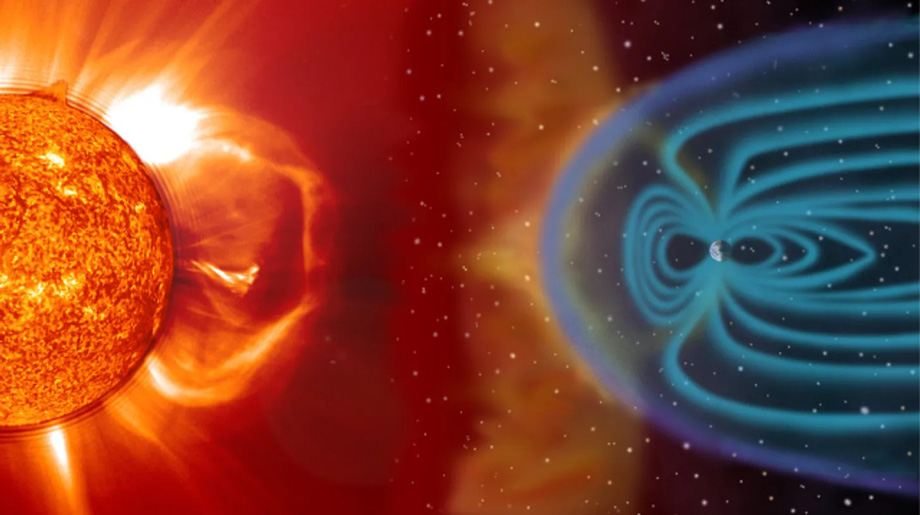
Radiation is undoubtedly the main threat to electronic components in space. Cosmic radiation interacting with microchips can cause memory errors. High-energy ions or protons passing through a transistor can lead to short circuits, electron leakage, and, as a result, irreversible damage that can jeopardize an entire mission. While problems sometimes arise at launch, many manifest once the spacecraft leaves low Earth orbit, since closer to Earth, it is still shielded by the atmosphere and magnetic field. That’s why astronauts aboard the ISS often use electronics based on conventional “terrestrial” microchips. But GPS and GLONASS satellites are not so fortunate: at an altitude of about 20,000 km, the penetrating power of energetic particles is so high that the use of standard microchips is out of the question.
Source: theoverview.org
Regardless of the source of radiation (which may be galactic cosmic rays, solar energetic particles, or the Van Allen belt), it can cause long-term degradation of electronics (a so-called total ionizing dose, or TID) or transitory problems (SEE). The former is most often associated with total mission loss: if a processor encounters TID, the mission is doomed to fail. But a one-time radiation impact is by no means harmless either, as it can manifest in the most unpredictable ways, causing anything from minor to serious malfunctions. Moreover, dealing with SEE is either impossible or very difficult, since it requires processing fault information in real time and responding to it promptly.
How Electronic Components Are Made to Withstand Space Operations
The American military and aerospace sectors use the MIL-STD-883 standard, which establishes procedures for testing electronic components. For example, the U.S. Department of Defense requires more than 100 tests to confirm the reliable operation of electronics under conditions of intense radiation, vibrational loads, and large temperature fluctuations. There is also another rule: every component intended for use in space undergoes a full and thorough inspection. This is a completely different approach compared to testing consumer and industrial electronics, where it is often sufficient to selectively check certain components from a batch.

Source: scitechdaily.com
Components intended for use in space must be designated as “radiation-hardened,” which is only possible if their design, shielding, and mounting components are built on insulating substrates, which distinguishes them from ordinary semiconductor wafers. Error detection and correction circuits that counter radiation-induced faults are also useful, but most often the problem is solved through component redundancy. This means that, instead of a single processor, three processors are used simultaneously, each performing the same task in parallel. If one fails, the results from the other two are used.
The drawbacks of this approach are that it is effective only against SEE incidents and is useless against TID. Moreover, it also increases payload weight and power consumption. For this reason, only the most critical components are protected using this method. Other processors handling routine tasks can be used as needed.
There are already examples in the history of space exploration where the stability of equipment in high-radiation conditions was protected through redundancy. For instance, as part of the Planet Hunters project, NASA launched the TESS satellite to search for exoplanets from a highly elliptical orbit. Although radiation-vulnerable microchips were used, they, like all vital systems, were duplicated, and engineers limited their operational lifetime to two years.
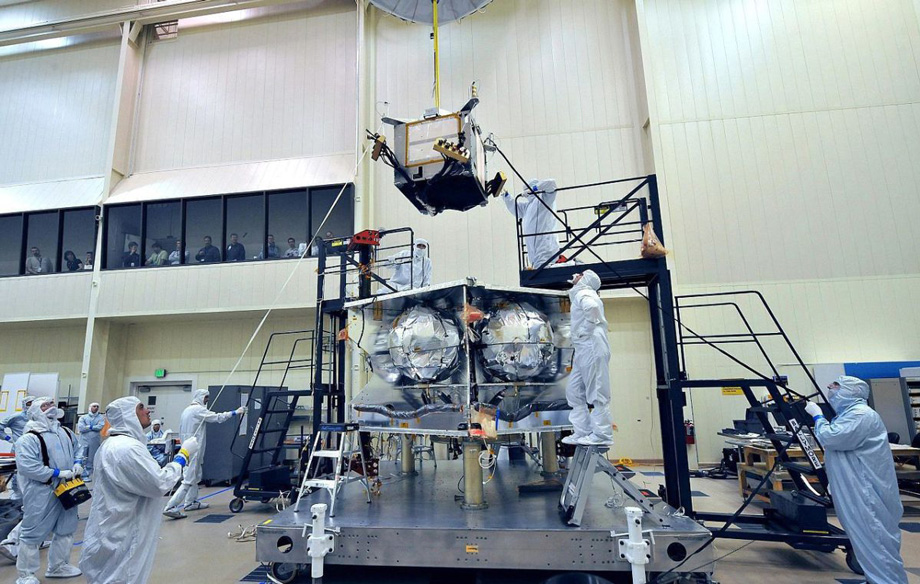
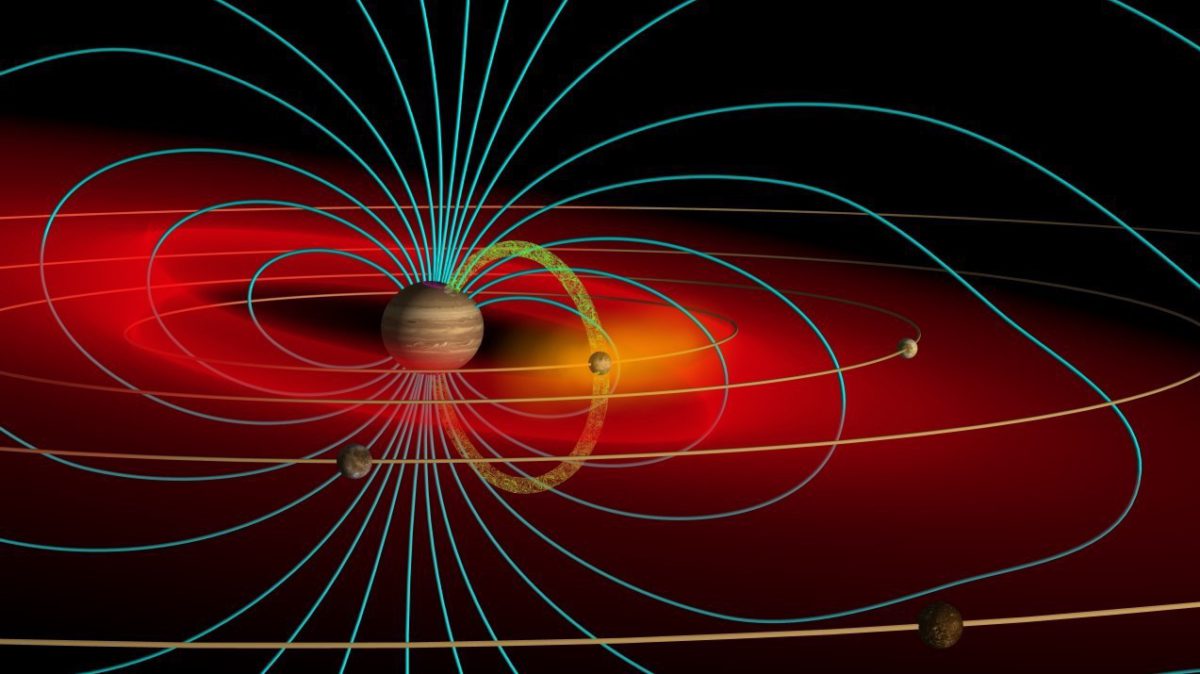
Adding to the risks, memory components, both permanent and random access, are considered to be even more difficult to protect from solar radiation than processors. This is because, in modern storage devices, information is stored as an electrical charge, with a value of “0” possessing no charge and a value of “1” indicating that a charge is present. This makes memory devices especially sensitive to ionizing radiation. Another factor that complicates protection is a spacecraft’s future location. For example, all spacecraft experience intense radiation during missions that take them near Jupiter. In such cases, redundancy of key electronic components matters, but additional shielding is also required. This sort of solution was implemented in the JUNO probe, which operates in Jupiter’s orbit. For that spacecraft, six titanium shields with 10 mm thick walls were developed, which helped reduce radiation exposure to electronics by more than 800 times!
Source: planetary.org
Apart from the threat posed by radiation, the reliability of mounting individual components is also always a concern, as they can become points of failure as a result of strong vibrations, especially during launch. This problem is now addressed using specialized aerospace connectors, such as those produced by Amphenol Aerospace.
Another challenge is ensuring thermal resilience: critically important components must easily withstand temperature fluctuations. For example, when a launch vehicle departs from the hot and humid coast of Florida into the cold of open space, many materials experience severe stress, which must be accounted for when designing systems.
It is also important to remember that space is essentially a vacuum, which adds to its “harshness” when it comes to electronic components. In vacuum conditions, components can behave very differently than while in the terrestrial atmosphere. To guarantee reliability after leaving Earth’s atmosphere, they are tested in specialized thermal vacuum chambers (TVAC) under conditions resembling space, with extreme temperatures and no pressure. For instance, if a small air bubble is trapped in the rubber insulation of a connector, it could burst in the vacuum of space or a TVAC, damaging the component.
Finally, there is ultraviolet (UV) radiation, which is characteristic of the thermosphere, which begins at an altitude of 80–90 km and extends up to 400–500 km. Here, UV degradation of materials occurs, potentially altering their properties down to the molecular level and, eventually, leading to their destruction. For this reason, the ISS and satellites in low Earth orbit also use special UV protection for electronic systems.
In recent years, space systems have increasingly faced another type of threat: cyberattacks. Therefore, critically important components like processors and memory modules must be designed to resist such attacks effectively.
Radiation-resistant processors and more
A great deal of attention has been focused on hardening microchips: in their basic form, they are highly vulnerable to space radiation and the harsh environment of space. However, any malfunctions or loss of control could jeopardize an entire mission. One of the oldest processors that can be considered properly radiation-hardened and adapted for use in space was the RCA (CDP) 1802, first introduced back in 1972. At the time, it was unique in operating at very low frequencies with minimal power consumption. A specialized version for use in spacecraft was produced using “silicon on insulator” (SOI) technology, which provided high resistance to ionizing radiation. Thanks to this, the 1802 processor became the primary choice for installation in the Galileo spacecraft and was widely used in artificial Earth satellites.
Source: planetary.org
The RCA 1802 was succeeded by the RAD6000, and, later, by the legendary RAD750 from BAE Systems, a radiation-hardened processor based on IBM’s PowerPC 750 chip. The RAD750 was originally designed to minimize the harmful effects of extreme space radiation and could withstand high radiation doses, operate across a wide temperature range (from -55°C to 125°C), and offered ten times the performance of the previous generation of space processors. It also featured improved dynamic performance and power management.
The RAD750 remained the primary microchip for space computing tasks for several decades: it was used in over 150 missions, including the aforementioned JUNO, the Curiosity rover, the Kepler telescope, and the Solar Dynamics Observatory (SDO). All of these missions incorporated hardware redundancy. For example, Curiosity was equipped with two RAD750 processors, with the second taking over whenever the first experienced flash memory issues. Unsurprisingly, all of this came at a high cost for NASA: while a standard PowerPC 750 cost around $500, a RAD750 was $200,000!
Among the most recent major space projects using the RAD750 is the automated Europa Clipper interplanetary probe, designed to study Jupiter’s moon, Europa. This mission could not rely on a specialized processor alone: all onboard electronics, instrument systems, and other critical components are housed in a chamber with walls made of 9.2 mm-thick aluminum-zinc alloy sheets.
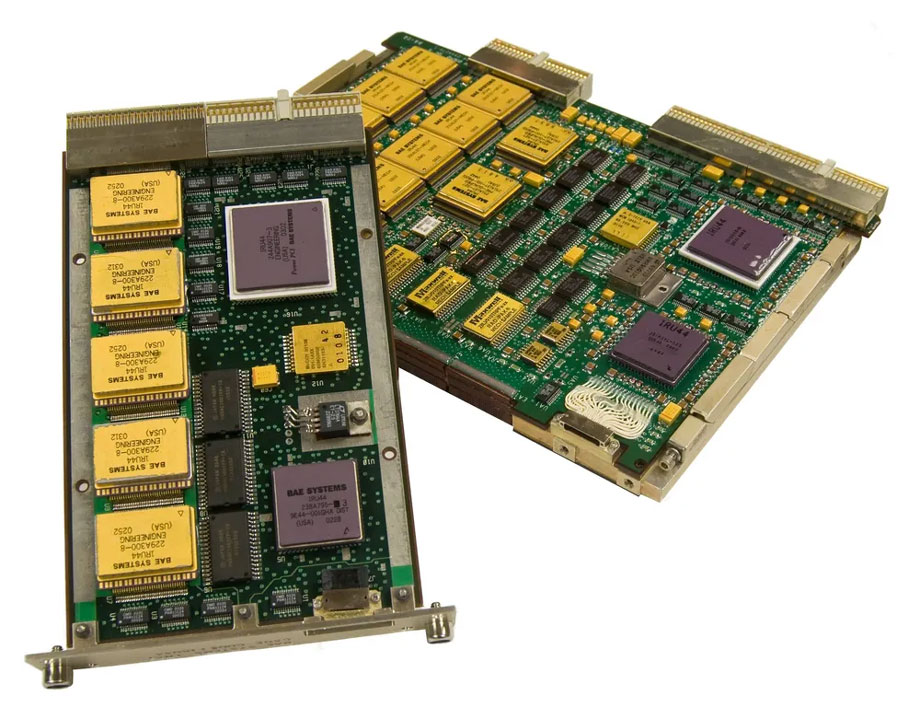
Source: en.namu.wiki
The RAD750 has been used in space missions for decades, even though technology has advanced significantly over that time. Naturally, developing new processors for NASA is an expensive and labor-intensive process. However, in recent years, many new private initiatives have emerged to meet rapidly growing computational demands, so the situation is bound to change. Evidence of this can be seen in NASA’s 2022 decision to select Microchip to develop the PIC64 high-performance processor (HPSC), designed to meet the current needs of the space industry.
This processor is intended for both long-duration and short missions, and must support new standards as well as open-source software. Performance is set to increase accordingly: the PIC64-HPSC series from Microchip already provides a hundredfold boost in computing power compared to traditional space processors. This opens the door to new space applications, onboard virtualization, and the use of artificial intelligence and machine learning directly on spacecraft.
Seeing the Invisible: Cameras in Space
We would know far less about the universe if we couldn’t take high-resolution images in space, using both telescopes and more conventional photographic equipment. From the Hasselblad cameras used by the Apollo astronauts to the breathtaking images captured by the Hubble Space Telescope, the vast majority of missions produce pictures of the universe that are invaluable for scientific research (while also satisfying our curiosity!).
NASA has actually exerted a profound influence on digital photography on Earth, as well. For instance, the first concept for a digital camera was developed by Jet Propulsion Laboratory (JPL) engineer Eugene Lally. Later, NASA continued developing compact, lightweight, and reliable sensors that could operate under the extreme conditions in space.
In the 1990s, JPL scientists began testing ways to improve image sensors based on complementary metal-oxide-semiconductor active-pixel sensor (CMOS-APS) technology to maintain high resolution, make cameras smaller, and protect them from radiation. This technology was later refined, and the miniature sensors developed from it are now found in smartphones, laptop cameras, and medical endoscopic equipment. Naturally, they have also been used in many spacecraft, such as the Perseverance rover and the Solar Orbiter telescopes.
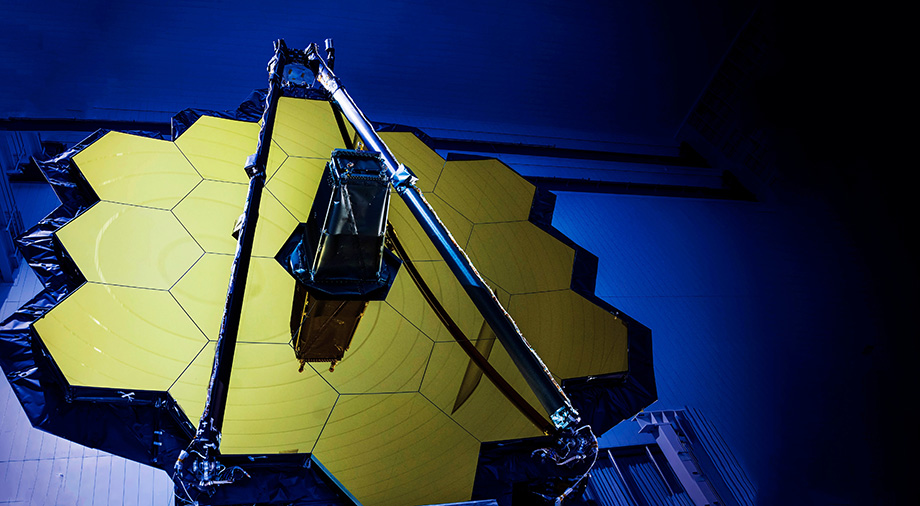
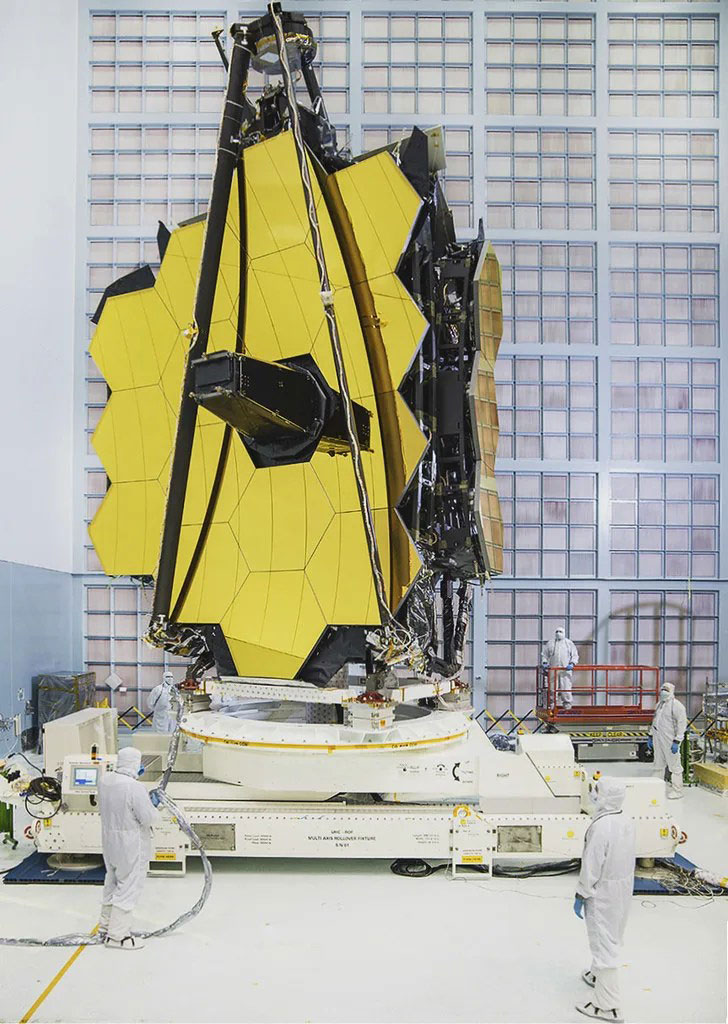
As with electronics, engineers must also protect sensitive equipment from more than just radiation. For example, to keep the mirrors of the James Webb Telescope cold, which is necessary for collecting and focusing light from the most distant and faint objects, special sunshields are used. These shields protect the telescope both from solar heat and from warming by the spacecraft itself. Additionally, the entire assembly was tested for 100 days in a cryogenic chamber to ensure proper operation in space.
Source: science.nasa.gov
Astronauts aboard the International Space Station regularly take photos and record videos for both scientific and educational purposes. Since 2014, they have been capturing high-resolution 3D content using RED Epic Dragon cameras (from HDTV up to 6K, with frame rates up to 300 frames per second). However, astronauts also frequently use standard terrestrial cameras from Nikon, Kodak, Sony, and even built-in cameras on iPhones and iPads. When shooting through the station’s windows, the cameras function just as they would on Earth, although their operational lifespans are significantly reduced.
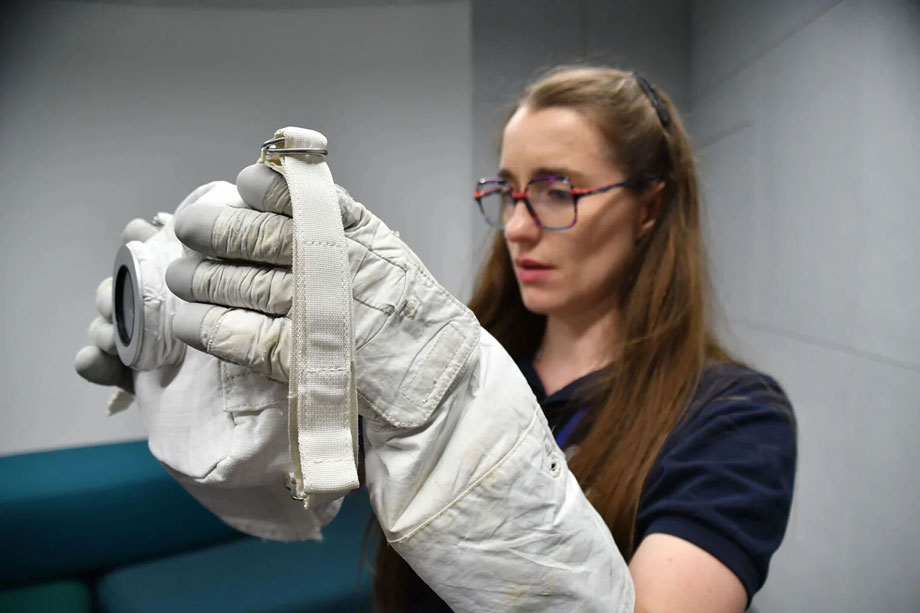
For a long time, the primary photography equipment on the ISS consisted of Nikon digital SLRs, such as the Nikon F5 and Nikon D4. In 2024, during a commercial mission by Northrop Grumman, a large batch of Nikon Z9 cameras was delivered to the station, replacing the previous generation of equipment. Even though this camera model was specially adapted for space conditions at the microchip and control architecture levels, their operational lifespan is limited to six months due to increased exposure to cosmic radiation. For missions outside the station, protective housings — essentially thermal blankets designed by NASA — are used. The Nikon Z9 is also expected to serve as the main camera for the upcoming Artemis mission.

Source: petapixel.com
Although Nikon remains the primary supplier of imaging modules for NASA, the space services market includes many other options, including commercial ones, which are not always limited to traditional photography. For example, Phase One is developing CMOS cameras for low Earth orbit that can also be integrated with space telescopes and satellites. These cameras feature radiation-hardened components as well as built-in systems for detecting and correcting radiation-induced faults. Dragonfly Aerospace, meanwhile, has focused on developing SWIR technology, which enables capturing clearer images despite atmospheric interference while providing spectral information unavailable to optical imaging. The company is also designing compact cameras (such as the Gecko Imager) for use in CubeSats that are radiation-resistant, assembled from vacuum-compatible components, and capable of operating at temperatures from -20°C to +70°C. Recently, iSIM cameras have emerged, representing a new generation of optical cameras intended for Earth observation satellites with video capabilities. Developed by SATLANTIS, iSIM operates simultaneously in the visible, near-infrared, and shortwave infrared spectral ranges.
Source: petapixel.com
Further exploration of space is hard to imagine without the use of reliable electronics and imaging equipment capable of withstanding massive doses of radiation, vacuum, and extreme temperature fluctuations. We have long since progressed from analog tubes to powerful microchips, and primitive sensors have been replaced by ones that allow us to capture the universe in the finest detail. But who knows what new resilient and high-performance systems will make space exploration even more accessible and precise in the future?


