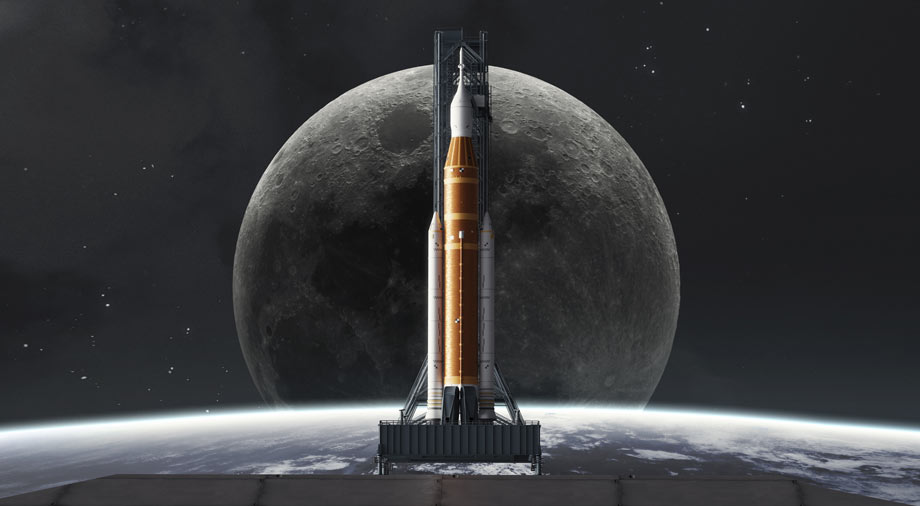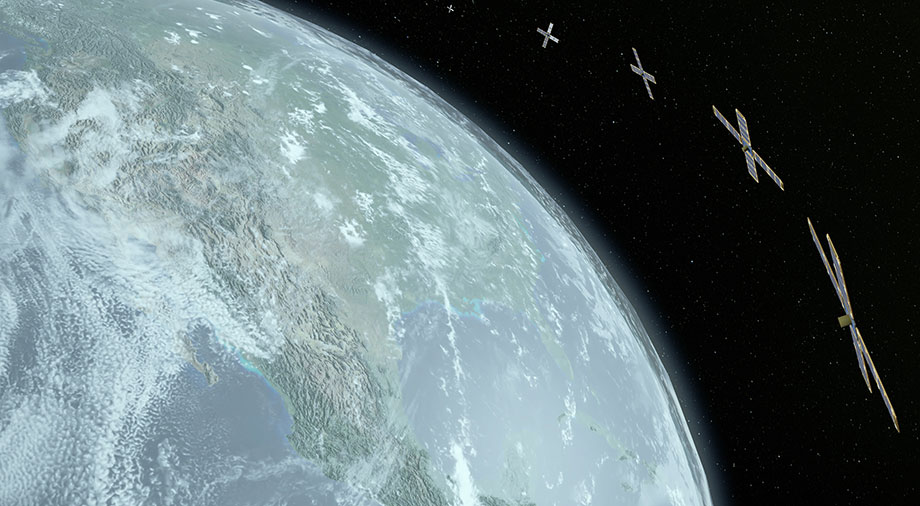
2026 promises to be full of major events: the first crewed flyby of the Moon under the Artemis program, the launch of the first modules intended to replace the International Space Station, and the scaling of satellite megaconstellations. Coordinating these processes requires concrete agreements between space agencies, private firms, and defense institutions regarding frequency allocation, the legal status of resources, and orbital traffic safety.
In most cases, it is space conferences that serve as the key platforms where the fundamental principles shaping the industry are formulated and articulated. Today, we have selected the top seven space conferences to watch this year, as their specialized panels will define the technical standards and economic architecture of near-Earth space for the current decade.
Space Symposium 2026: security and space technologies
From April 13 to 16, 2026, the 41st Space Symposium will take place in Colorado Springs (USA). Over the years, this event has established itself as a kind of closed club for top leadership from space forces, intelligence communities, and the largest players in the aerospace market, with regular participants including representatives of giants such as Boeing, Lockheed Martin, and SpaceX.
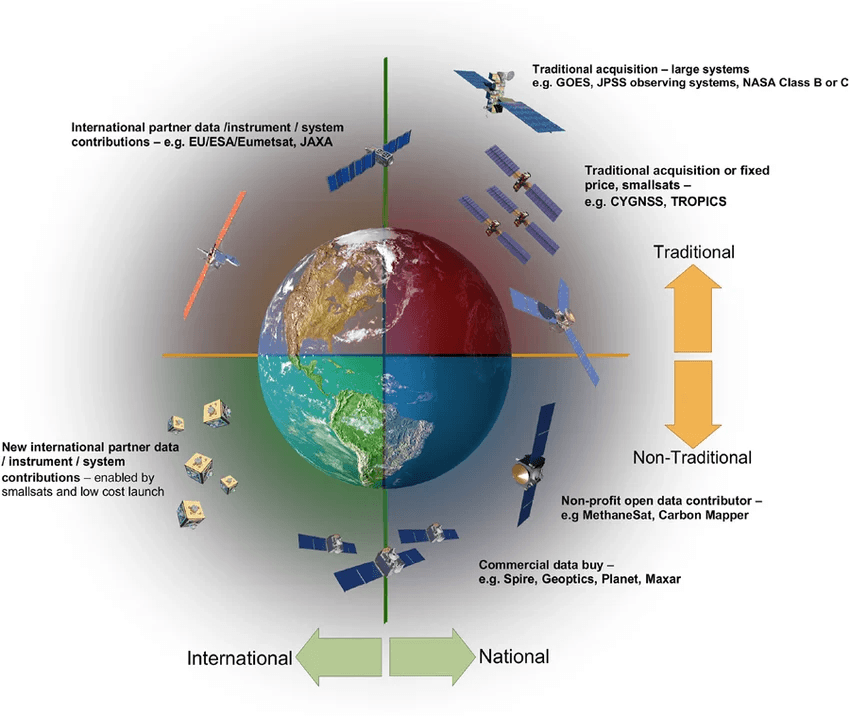
The main discussions at this year’s symposium are likely to focus on strengthening cooperation between government space structures and commercial operators. Amid the rapid growth of satellite megaconstellations, increasing importance is being placed on integrating commercial communication, observation, and data-processing services into national security systems, as well as on creating a hybrid space architecture (HSA). This is not only about actual access to infrastructure but also about building a more flexible and resilient space architecture capable of adapting to new challenges.
Source: researchgate.net
The program for the 2026 Space Symposium is divided into thematic tracks, with key ones including “Space Law and Regulation” and “Space Science and Exploration.” The main activities will begin with discussions of the regulatory framework, covering today’s major challenges, from investment in commercial space to regulatory standards overseen by the Federal Communications Commission (FCC) and the Federal Aviation Administration (FAA).
The scientific segment of the symposium’s discussions will focus on NASA’s roadmap, climate research, and the Artemis program, particularly issues related to biological research beyond Earth and human health during long-duration space missions. The military component of the forum will be represented by presentations from generals in the United States Space Force (USSF) and will address topics such as the future of the space operations theater, ensuring space superiority, and the use of AI on reconnaissance satellites.
A highlight of the event will be a series of closed panels and salon-style breakfasts dedicated to critical defense and technological issues, in which symposium participants will informally discuss the biggest challenges facing the space sector today. In particular, certain sessions will focus on the construction and outfitting of next-generation commercial space stations. An important place in the Space Symposium 2026 agenda is also given to dialogue on modernizing aerospace procurement and the legal aspects of deep-space operations.
Throughout four days, the symposium will combine its business program with a large-scale exhibition at the Northrop Grumman Exhibit Center. In addition to technical sessions, significant attention will be paid to networking and official ceremonies, such as the induction of new technologies into the Space Technology Hall of Fame. The event will conclude with the traditional Space Warfighters Dinner, emphasizing the security-focused priority of Space Symposium 2026.
ASCEND (AIAA): orbital construction and infrastructure
From May 19 to 21, 2026, Washington, D.C. will transform into the world’s leading engineering hub during the Accelerating Space Commerce, Exploration, and Next-generation Discovery (ASCEND) forum. Organized by the American Institute of Aeronautics and Astronautics (AIAA), the event represents a unique symbiosis of academic science, applied engineering, and venture capital. Unlike security and political platforms, this forum brings together hands-on space engineering practitioners, including chief designers from NASA, leading engineers from Blue Origin and Axiom Space, as well as developers from thousands of tech startups directly designing future space infrastructure.
The 2026 ASCEND agenda will focus on a critical transition: the era of the International Space Station is coming to an end, and the industry must present viable commercial orbital stations, sometimes referred to as “commercial low-Earth orbit destinations,” or CLDs. Conference participants will discuss the technical specifications of projects such as Axiom Station, Orbital Reef, and Starlab, including autonomous life-support systems and power supply architectures for commercial modules.
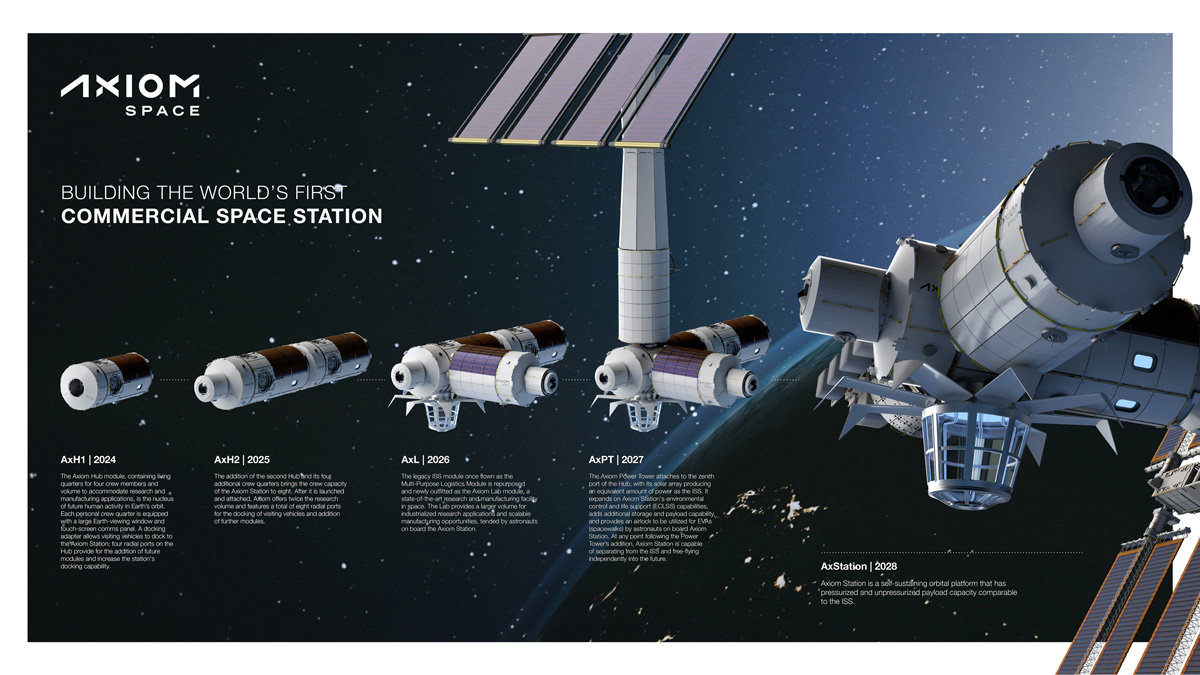
Source: thalesaleniaspace.com
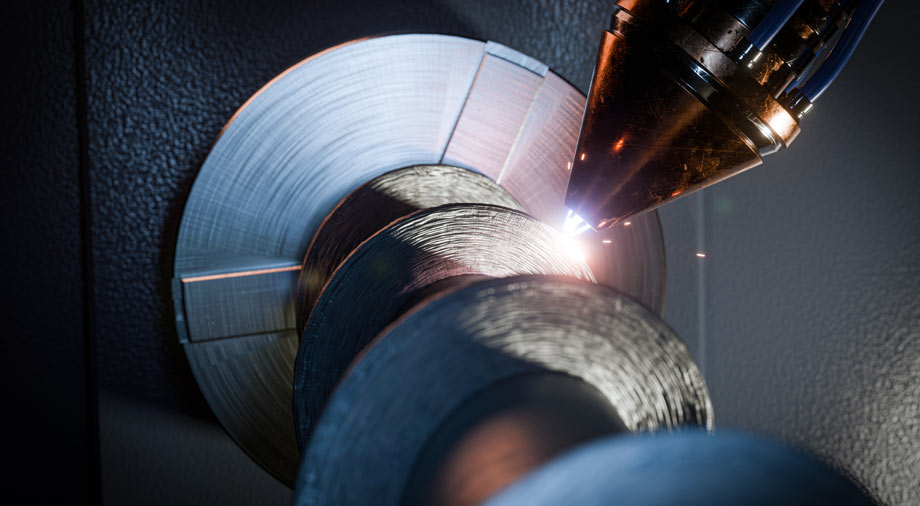
A separate driver of discussion will be the potential benefits of implementing In-space Servicing, Assembly, and Manufacturing (ISAM) technologies, including servicing and assembling objects directly in the vacuum of space. 3D printing of large truss structures in orbit would remove the constraints imposed by rocket fairing sizes, fundamentally transforming the architecture of future telescopes and habitation modules, and enabling the deployment of massive structures in space.
The forum will serve as a platform for developing standards for space logistics, from satellite refueling to the creation of orbital warehouse hubs. Particular attention will be paid to space traffic management and engineering guidelines to improve the safety of orbital movement, an increasingly critical issue as megaconstellations of tens of thousands of satellites are launched into orbit.
For big business, ASCEND is also an important event, since it is here that the foundations of a closed-loop economy beyond Earth are being laid. Issues of space logistics are becoming urgent for every potential investor in orbital infrastructure and manufacturing. The forum will define how private companies can integrate into the Artemis program supply chains, transforming government-led research missions into a sustainable market for commercial services.
Special attention at ASCEND will also be given to the development of global technical standards for addressing space debris. In 2026, the American Institute of Aeronautics and Astronautics (AIAA) plans to present updated protocols for Active Debris Removal (ADR), targeting defunct rocket stages and old satellites. Such engineering guidelines may eventually evolve into mandatory standards for the entire industry, shaping new rules for orbital activity. The discussions and developments at the May 2026 ASCEND conference are thus well worth close attention.
The Humans to the Moon and Mars Summit (H2M2)
The main meeting of this year dedicated to discussing plans for Mars exploration will take place on July 21–23, 2026, in Houston, Texas. The Humans to the Moon and Mars (H2M2) Summit, organized by Explore Mars, Inc., will be held for the first time at Rice University, specifically at the BioScience Research Collaborative (BRC). The choice of venue is deeply symbolic: it was at Rice University in 1962 that John F. Kennedy delivered his historic speech about sending Americans to the Moon by the end of the 1960s. Now, in 2026, the site will host those tasked with transforming the lunar legacy into a new Martian reality.
The structure of the Humans to the Moon and Mars Summit 2026 includes three full days of activities. For July 21, organizers have scheduled a series of specialized workshops, partner meetings, and thematic tours aimed at bringing together representatives from the public sector, business, and the scientific community in a format of practical collaboration. The main panel program will take place on July 22–23 and will feature plenary sessions with leadership from NASA, representatives of the aerospace industry, and профиль experts. Discussions will focus on the implementation of the Artemis program, logistical preparations for returning humans to the Moon, and the development of a long-term architecture for transitioning to crewed missions to Mars.
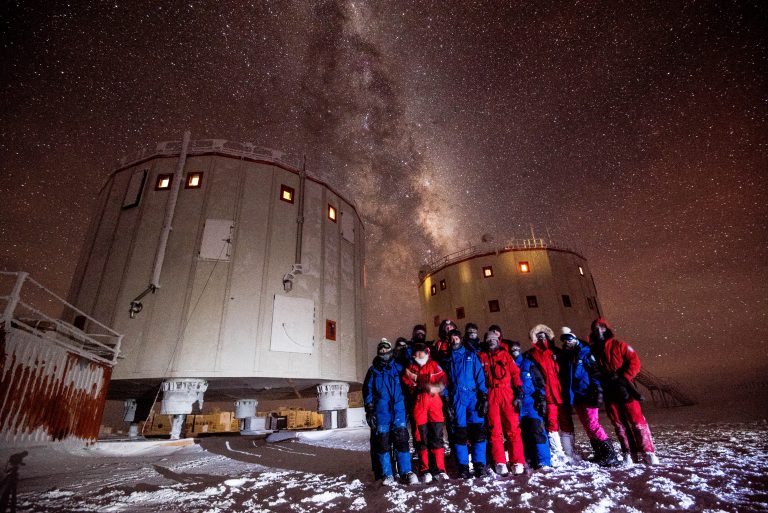
Separate panels will address the technical and operational aspects of future expeditions, including the selection of potential landing sites on Mars, crew mobility on the surfaces of the Moon and Mars, as well as the development of life-support infrastructure and deep-space logistics. Significant attention at H2M2 will also be given to the human factor: issues of astronauts’ physical and psychological health during long-duration missions, nutrition, crew autonomy, and cross-sector partnerships necessary to establish a sustainable presence beyond Earth orbit. The summit is positioned as a platform for strategic synchronization between government programs and commercial initiatives that will lay the foundation for the next stage of deep-space exploration.
Source: scispace.esa.int
The engineering component of the discussions will unfold within the strategic framework of the Moon to Mars Architecture, NASA’s official approach that views the Artemis program as a preparatory phase for crewed missions to Mars. The focus will be on practical lessons from the lunar campaign: the development of life-support systems, energy supply, logistics, and long-duration human presence in space. Individual panels will address the architecture of cislunar infrastructure, including the role of the Lunar Gateway in establishing a sustainable human presence in cislunar space, as well as transportation and mobility technologies required for the transition from lunar missions to interplanetary expeditions.
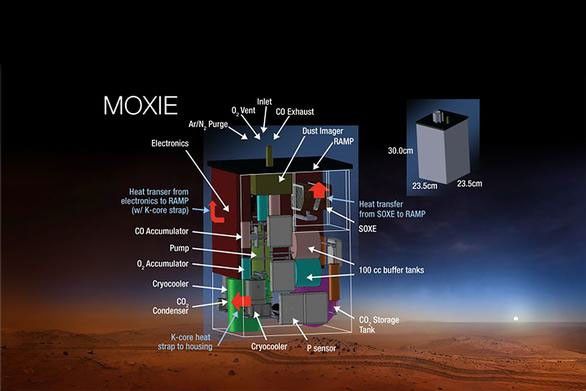
The economic and infrastructural dimensions of the summit will focus on the development of ISRU (In-Situ Resource Utilization), aimed at using local resources on the Moon and Mars to supply astronauts with fuel, oxygen, and construction materials for building planetary bases. Participants in H2M2 will discuss the results of previous technological demonstrations, including the MOXIE experiment. This experiment, which was part of the Mars 2020 Perseverance mission, helped demonstrate the feasibility of producing resources directly on Mars. At the same time, models of public–private partnerships and mechanisms for attracting capital to develop orbital and surface infrastructure will also be explored.
Source: science.nasa.gov
Alongside technology, the summit traditionally pays close attention to questions of ethics and law. At Humans to the Moon and Mars 2026, one major discussion may revolve around the legal status of future Martian settlements. Experts will consider how to avoid the colonial conflicts of the past and ensure fair access to the planet’s resources for all participants in Mars exploration. A separate segment of H2M2 2026 will be dedicated to STEM education, since those who will first set foot on another planet are still currently studying in schools and universities, and the quality of this education will be a key factor in humanity’s future success on Mars.
Ultimately, this year’s H2M2 will become a place where theoretical concepts are transformed into concrete engineering solutions. The summit serves as a bridge connecting the political will of governments, the financial ambitions of corporations, and fundamental scientific discoveries, which is why it is strongly worth following its developments in July.
COSPAR 2026: all science, no business
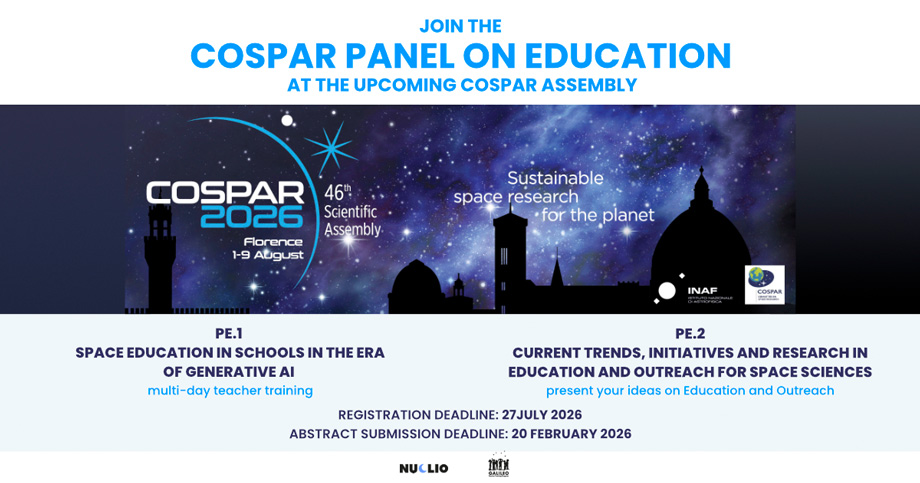
For those seeking pure science without the influence of commerce, Florence, Italy, will be the place to be. It is here, within the historic Fortezza da Basso complex, that the 46th Scientific Assembly of the Committee on Space Research (COSPAR) will take place from August 1 to 9, 2026. This is not just a conference, but the world’s leading forum where the directions of fundamental research on our Universe are defined. In 2026, the event coincides with the peak of data analysis from the latest astronomical observatories, making it one of the most anticipated scientific gatherings of the decade.
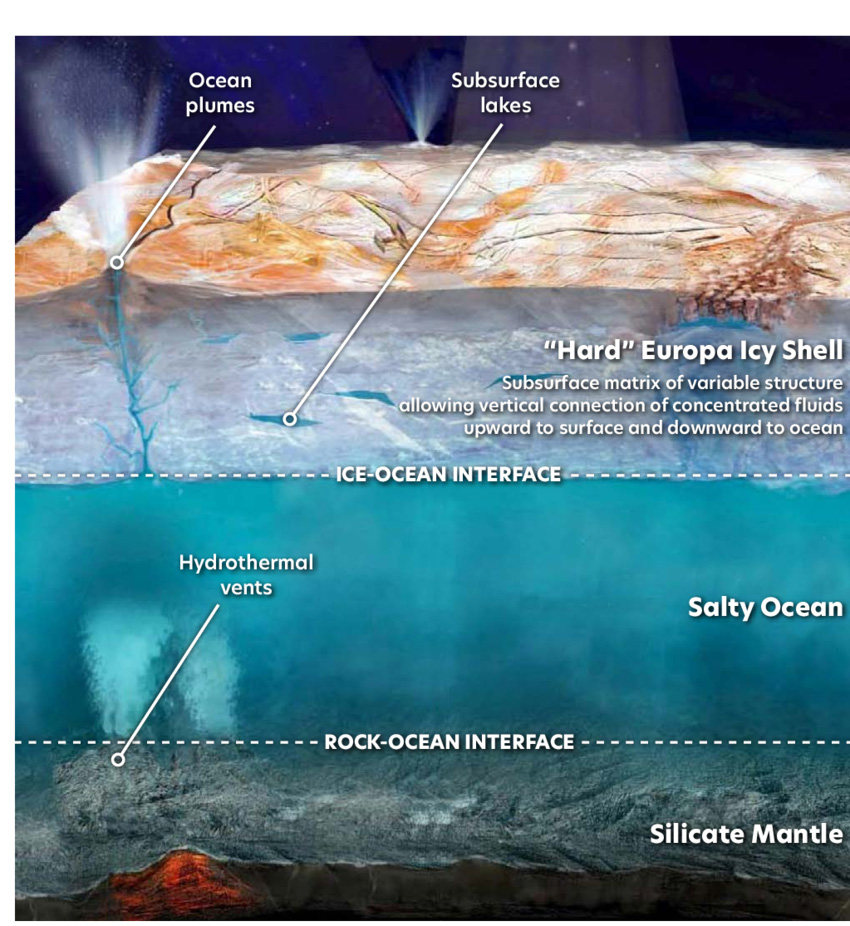
A prominent place in the program is devoted to astrobiology and the study of icy bodies in the Solar System. A key focus will be the strategic planning of data analysis for upcoming missions such as JUICE and Europa Clipper. Although these spacecraft are currently only on their way to Jupiter, in 2026, COSPAR scientists will concentrate on instrument calibration after initial gravity assists and on finalizing the list of biosignatures that Clipper will search for in Europa’s subsurface oceans. Discussions may also address the latest spectral data obtained by the James Webb Space Telescope, indicating the presence of organic compounds in the plumes of Enceladus’s geysers.
Source: researchgate.net
One important topic will be the Mars Sample Return mission. COSPAR traditionally plays a significant role in shaping updated recommendations on planetary protection, so the assembly is expected to feature discussions on standards for handling potentially sensitive samples and minimizing the risks of both forward and backward contamination. These discussions will address the scientific, technical, and ethical aspects of storing and analyzing Martian material under high-level biosafety conditions, as well as the international coordination of these processes.
Another equally important area will be heliophysics and space weather physics. Within Commission D (Space Plasmas in the Solar System), scientists will present new observational and modeling results on solar activity during a period when the star is near the peak of its cycle. Such research is fundamentally important for understanding the impact of solar flares and coronal mass ejections on spacecraft, crewed missions, and ground-based infrastructure. Clarifying the mechanisms behind solar flares will enable the development of more reliable early warning systems, which are essential for the uninterrupted functioning of modern satellite communications.
Source: galileoteachers.org
Equally important will be the session dedicated to the sustainable use of outer space. COSPAR serves as the main arbiter on matters of scientific integrity for orbits and celestial bodies. This year, discussions will focus on the ethical and technical aspects of “polluting” the night sky with satellite megaconstellations, which create significant obstacles for ground-based astronomical observations. Scientists will seek a compromise between the global deployment of satellites in orbit and humanity’s ability to continue unobstructed observations of deep space.
If you are particularly interested in the scientific dimension of human space activity, it is worth marking this additional event in your calendar now to ensure you don’t miss COSPAR 2026.
The future of the satellite industry and other topics: SmallSat 2026
At the end of summer, from August 10 to 13, 2026, the university town of Logan, Utah, will once again become the global hub for innovation in small satellites during the annual Small Satellite Conference. This iconic event, which brings together satellite engineers from around the world, will be particularly notable in 2026, since it celebrates the conference’s 40th anniversary. The conference combines scientific sessions, technology tracks, and an exhibition area at the Taggart Student Center, where prototypes of satellites, communication systems, sensors, and small spacecraft ready for practical use are displayed.
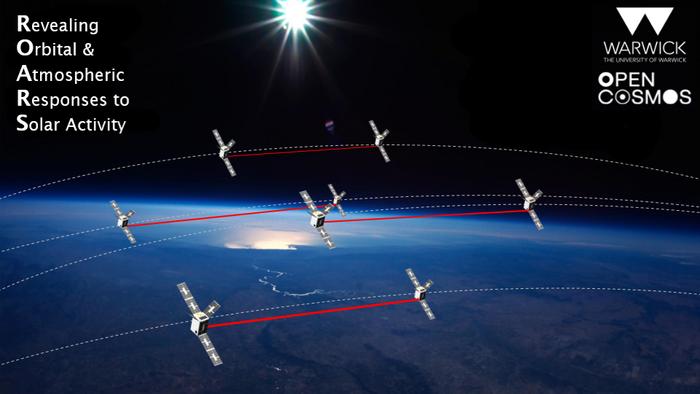
This year, the main panel discussions at SmallSat will focus on autonomy and resilience in distributed satellite architectures. Central to the discussions will be the concept of satellite swarms. This new approach envisions turning dozens or even hundreds of orbital vehicles into a single “virtual satellite” with distributed functionality. Unlike constellations, swarms are designed for a high level of autonomous interaction between satellites without continuous commands from Earth.
Source: eurekalert.org
Conference participants will also discuss the development of AI algorithms for inter-satellite communication, designed to allow multiple swarm satellites to synchronously adjust their orbits or redistribute tasks in case of individual node failures. Refining these inter-satellite communication standards is expected to ensure unprecedented resilience for such systems.
A separate technology track will focus on the miniaturization of payloads. Increasingly, the satellite industry is emphasizing the creation of compact hyperspectral cameras and synthetic aperture radar (SAR) systems for 6U and 12U CubeSats. Transitioning to miniaturized sensors while maintaining high quality allows for Earth observation data with a level of detail previously achievable only by massive government reconnaissance satellites, now at a cost accessible even to private agribusinesses or environmental organizations.
The significance of SmallSat 2026 lies in the ongoing democratization of space. Thanks to the standardization of CubeSats and the integration of new satellite technologies, the entry barrier to the industry continues to decrease. The 2026 conference may feature new types of next-generation satellite buses, enabling the integration of scientific payloads and orbital deployment within a matter of months, helping remove financial and technical barriers for university teams and countries with emerging space programs.
The Logan conference traditionally serves as a primary platform for announcements from market leaders like Terran Orbital and Blue Canyon Technologies, effectively establishing new global technological standards for small satellites. SmallSat is also known for its applied focus: the Taggart Student Center exhibition hall will showcase new satellite prototypes, CubeSats, maneuverable electric propulsion systems, and various sensors, attracting the attention of potential investors in the sector.
International Astronautical Congress: IAC 2026
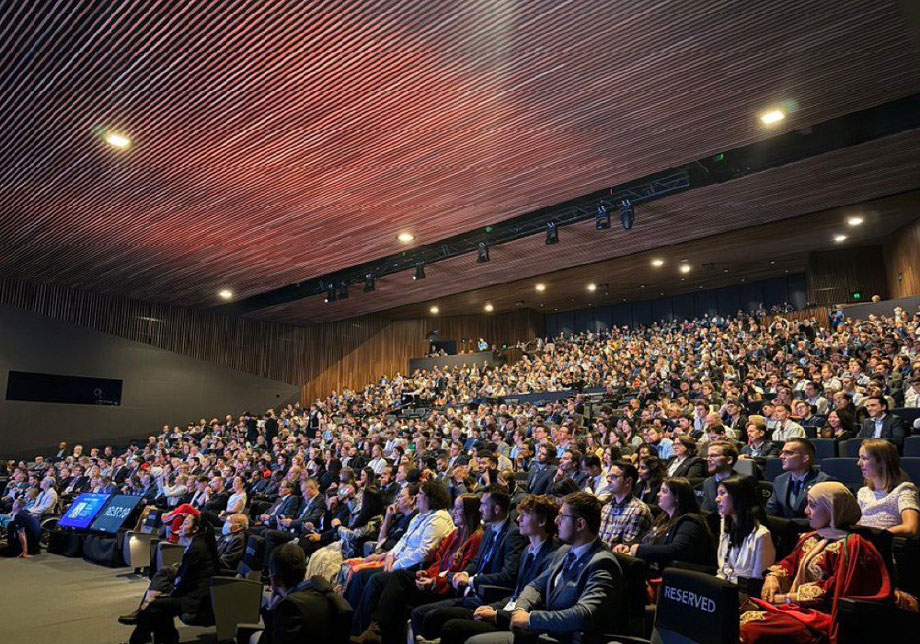
One of the most important events of the year will take place in Antalya, Turkey, from October 5 to 9. Here, the 77th International Astronautical Congress (IAC) will be held, bringing together leaders from all the world’s key space agencies: NASA, ESA, JAXA, and other national and regional organizations. Together, they will set the direction for humanity’s space activities in the coming years.
IAC 2026 will take place under the motto “The World Needs More Space,” and the program will cover all key aspects of the space sector, roughly divided into five categories:
- Science and Research: discussions on life support systems, missions to the Moon, Mars, and deep space.
- Applied Technologies and Operations: from Earth observation to satellite communications and space debris.
- Technologies: development of launch vehicles, power systems, and materials.
- Infrastructure: development of space stations and ground segments.
- Space and Society: economy, law, education, and security issues.
Source: iac2026.org
Particular attention will be given to the Global Networking Forum (GNF), which aims to integrate young professionals and startups into the global space economy ecosystem. The program includes special sessions such as the World Space Award, as well as high-level forums, where discussions will focus on expanding access to space for countries just beginning their journey in the space sector. The congress will also feature a large-scale exhibition showcasing advanced aerospace technologies, from microsatellites to components for future lunar bases.
The main goal of IAC 2026 is to strengthen international partnerships and facilitate knowledge exchange among the member countries of the International Astronautical Federation (IAF), which includes over 600 participating organizations from 82 countries. During this time, Antalya will become a true strategic hub for the space community, where global standards and priorities for space exploration in the coming years will be shaped through technical sessions, discussions, and presentations.
Space Tech Expo Europe 2026: the main event in Europe
Finally, we turn our attention to Space Tech Expo Europe, the largest European exhibition and conference focused on engineering solutions and supply chains. This year, the expo will take place in Bremen, Germany, from November 17 to 19. The conference program is traditionally divided into several parallel tracks covering the entire lifecycle of a space product:
- Industry Conference: the main stage for industry leaders, where market trends, the commercialization of low Earth orbit (LEO), and funding for space startups will be discussed.
- Smallsat Conference: a specialized event dedicated to the design, testing, and integration of small satellites. In 2026, the focus will be on making satellite constellations more resilient and cost-effective to produce.
- Mobility & Connectivity: a separate emphasis on ground segments and user terminals, which are critical for the full operation of global satellite networks.
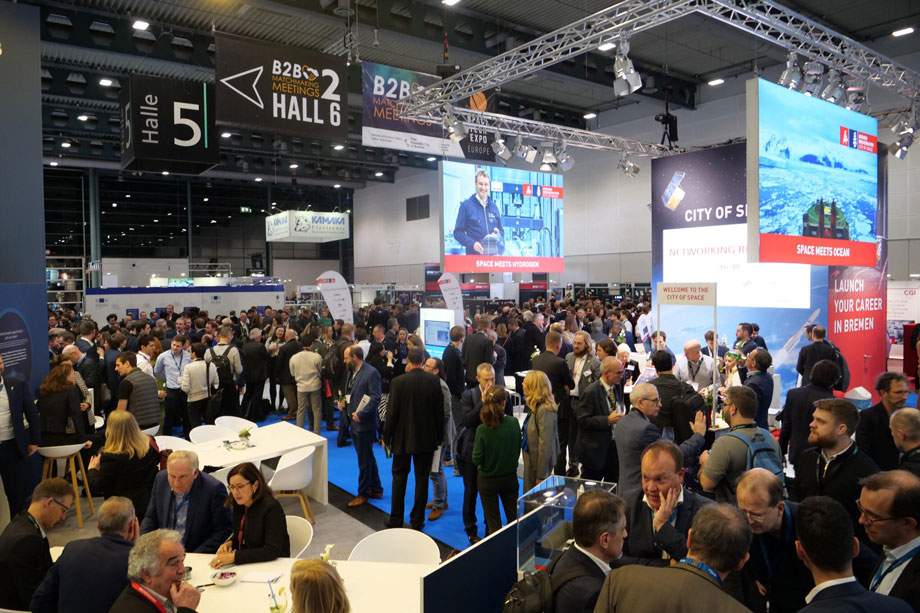
The central hub for business networking at Space Tech Expo will be B2B Matchmaking, a space for pre-planned short meetings that allows participants to efficiently find new component and material suppliers directly on the exhibition floor. In 2026, this format will be particularly crucial for European companies seeking to optimize their supply chains amid growing demand for serial production of small satellites and a significant cooling of relations with the continent’s main space partner, the United States.
Source: groundstation.space
There will also be a Product Showcase, an open exhibition area where participants can present their latest innovations, allowing visitors to see new sensors, engines, and materials in action before they enter serial production. For young companies and component developers, this is the shortest path to direct feedback from potential customers and chief engineers of major corporations.
As you can see, 2026 will be truly rich in themed events, each focusing on a specific aspect of space development, from fundamental science to innovative engineering concepts and business agreements. If you’re interested in the cutting edge of the space industry, don’t miss these events: they often serve as indicators of shifts in major market trends and demonstrate the trajectory of the industry as a whole.