Over the past 10 years, the development of orbital infrastructure has become inseparably linked with the introduction of additive manufacturing technologies, automated 3D printers capable of creating objects from digital models through the layer-by-layer deposition of materials such as polymers, ceramics, or even steel. Such printing is increasingly used in terrestrial manufacturing industries as well; however, in microgravity conditions, additive manufacturing offers a number of advantages, primarily improving the quality and strength of the resulting material due to the specific physics of zero gravity.
At the same time, the global trend toward orbital manufacturing and space-based 3D printing provides enormous mass savings and reduces logistical costs, opening the path to the creation of large-scale structures that were previously considered technically impossible. For NewSpace investors, additive technologies are becoming the foundation of economic efficiency, transforming space from a place of resource consumption into a platform for autonomous high-tech construction, including the production of goods for sectors of the terrestrial market. Therefore, let us examine how orbital 3D-printing technology has evolved and what cosmic horizons it is helping us conquer today.
The Genesis of Orbital Manufacturing: The Rapid Adoption of Additive Printing with Ultra-Strength Polymers
The history of additive manufacturing technologies in space began not with futuristic concepts, but with the solution of ordinary logistical problems. Above all, crews of orbital stations were meant to be given the ability to print their own tools for work aboard the International Space Station (ISS).
In September 2014, during the SpaceX CRS-4 mission, the first plastic 3D printer from the company Made In Space was delivered to the ISS. Just two months later, the station’s crew successfully printed the first part: the front panel of the printer itself, which had been missing from the initial configuration. This demonstrated that layer-by-layer plastic deposition in microgravity is a stable process that does not lose structural integrity. Moreover, it does not require manipulation with extremely high temperatures, which could pose a risk in the confined space of an orbital station. For melting ABS plastic (acrylonitrile butadiene styrene), the operating temperature was typically around 230°C.
Source: extremetech.com
This pilot project, known as 3D Printing in Zero-G, became the foundation for producing a permanent infrastructure from plastic. It allowed astronauts to manufacture tools on demand. One notable example was the first plastic wrench, whose model was transmitted from Earth as a digital file sent via ordinary email. This experience radically changed the concept of supply: instead of waiting months for the next cargo mission, the crew gained the ability to solve technical problems directly at the workplace. Nevertheless, the strength and reliability of plastic tools printed in this way left much to be desired.
For this reason, technologies for working with high-strength polymers began to be developed. In 2019–2020, the focus shifted to experiments with materials from the ULTEM series, particularly ULTEM 9085 and ULTEM 1010, which are blends of polyetherimide and polycarbonate (PEI/PC) capable of withstanding extreme temperature fluctuations. The experimental ReFabricator unit, developed by the company Tethers Unlimited and delivered to the ISS in 2018, became the first device aboard an orbital station to combine a plastic recycling system with a 3D printer, implementing the concept of a closed-loop additive manufacturing cycle in orbit.

Source: nasa.gov
Materials from the ULTEM series possessed extremely high thermal and chemical resistance, which was confirmed by the first orbital tests: even after remelting in microgravity, ULTEM 9085 retained its strength at the level of the initial print. Parts and tools made from this polymer began to be installed on load-bearing structures, on external mounting elements, as well as inside life-support system assemblies, where fire safety and resistance to outgassing were critically important. But 3D printing was not limited to working only with plastics and polymers.
Ceramic printing and working with metals
In August 2015, a unique creation of engineers from the Japan Aerospace Exploration Agency (JAXA) arrived in the Japanese segment of the ISS: the Electrostatic Levitation Furnace (ELF), installed on the MSPR (Multi-purpose Small Payload Rack) inside the Kibo orbital module.
The installation made it possible to hold material samples in a suspended state using electric fields, eliminating contact between the sample and a crucible. Thanks to the absence of container walls, materials could be heated with a laser to temperatures exceeding 2000°C, allowing the creation of ceramics and glass with an ideal microstructure and without any risk of contamination of the melt by impurities. However, these efforts remained purely scientific experiments.
Genuine ceramic production on the ISS only appeared later, in 2020, when the first commercial counterpart to ELF arrived at the station. This was the Ceramic Manufacturing Module (CMM) from the American company, Redwire Space, which by that time had acquired Made in Space, the main supplier of space 3D printers for the ISS.
Unlike the Japanese ELF furnace, which was designed as a stationary scientific instrument for fundamental research on melting processes, CMM was intended from the outset as a commercial production unit. The main idea was to test whether complex ceramic products could be manufactured in space for the needs of industry on Earth. Unlike ELF, which works with small quantities of material suspended in an electric field, CMM is essentially a full-scale manufacturing workshop where, inside a protective chamber, a laser prints a component layer by layer from a photopolymer resin filled with ceramic powder.
After printing is completed, the finished object is cured with a special UV lamp, making the structure extremely hard, something that would be difficult to achieve under Earth conditions. On Earth, ceramic particles in liquid resin quickly settle under the influence of gravity, making the mixture non-uniform and leading to microcracks or weak points in the final product. In microgravity, the mixture remains perfectly stable throughout the entire printing cycle and subsequent curing process, resulting in ceramics with impressive density and geometry. An example of this capability was the successful printing of monolithic ceramic turbine blades. Such polymer ceramics can withstand significantly higher temperatures than some metal superalloys used in rocket fairings.
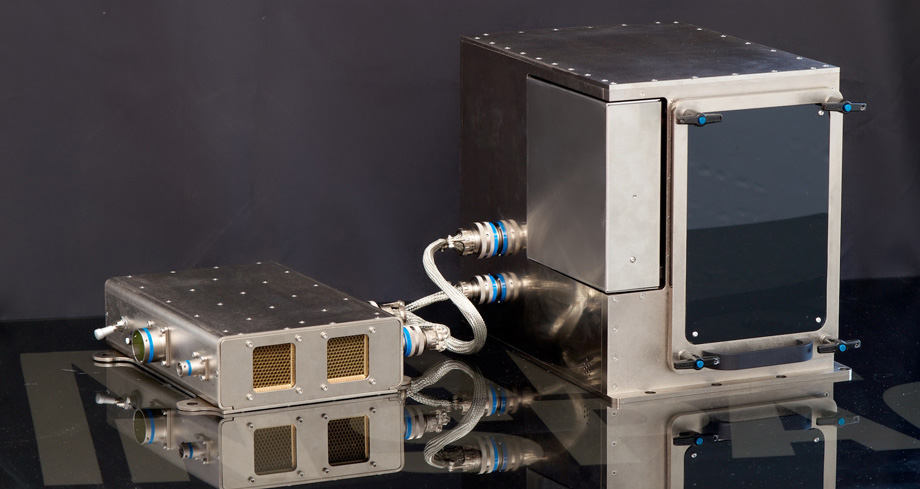
In August 2024, 3D printed steel joined polymer and ceramic manufacturing in orbit. At that time, the Metal 3D Printer produced by ESA and Airbus Defence and Space printed its first part from stainless steel, proving that laser metal melting in the confined environment of an orbital station can be entirely safe.
Source: esa.int
Working with metal in orbit is significantly more complex than printing with polymers, due to extreme temperatures (up to 1400°C) and the risk of releasing fine metallic dust. The European 3D printer operates using a metal wire feed technology rather than powder: a laser melts the tip of the wire, and the printer forms the finished component layer by layer. This approach eliminates the danger of the crew inhaling toxic dust and prevents contamination of the ISS ventilation systems. Most importantly, it provides a unique opportunity to repair critical station components on site, ranging from high-pressure brackets to elements of life-support systems.
The breakthroughs and research successes on the ISS over the past 12 years have provided an excellent foundation for the maturation of orbital 3D-printing technology. As a result, the market is now ready to offer commercial solutions for its active implementation.
Commercialization: ground-based printing of rocket fairings and components
Today, the development of the commercial sector of space 3D printing is proceeding in two parallel directions. The first involves the use of additive manufacturing technologies for space components in terrestrial production, with the printed products subsequently launched into orbit. This approach has several advantages. First, it drastically reduces the production cost of launch vehicles and their components. Second, it significantly shortens the time required for their manufacture.
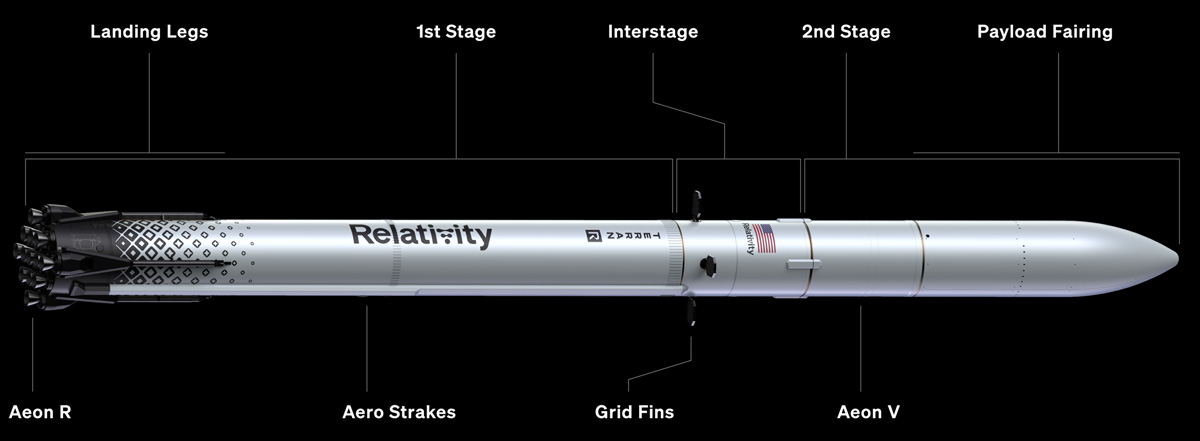
A good example of this strategy is the American company Relativity Space, whose main production facilities are located in Long Beach, California. Its Wormhole factory operates some of the world’s largest ground-based metal 3D printers for manufacturing space components: the Stargate system. With their help, the company created its flagship rocket, Terran 1: about 85% of the launch vehicle was produced using additive manufacturing technologies. After its successful launch in 2023, the company immediately announced ambitious plans to produce its own heavy reusable rocket, Terran R, with dimensions and payload capacity comparable to the Falcon 9. However, its launch will not take place before the end of 2026.
Source: relativityspace.com
Another American company, Vast Space, is also implementing 3D printing to create Haven-1, the world’s first commercial orbital station. The use of additive design allows life-support systems to be integrated directly into the metal structural components, minimizing the number of joints and bolted connections. In practice, this not only reduces the weight of the modules but also significantly increases their airtightness and reliability, which is an important factor in lowering the cost of serial production.
At the same time, the American startup Impulse Space is taking advantage of 3D printing to create the propulsion system for its Mira orbital tug. Its Virgo engine is almost entirely 3D-printed, which makes it possible to implement complex cooling channels that would be impossible using traditional casting methods. Such maneuverable engines enable rapid orbital changes and precise delivery of cargo produced at autonomous space factories, forming a flexible last-mile logistics network in near-Earth space. The Mira tug first flew into orbit in November 2023 as part of the SpaceX Transporter-9 mission.
The British company Skyrora has also developed its own hybrid 3D-printing system, called Skyprint 2. Using the direct energy deposition (DED) method, the installation prints large combustion chambers and nozzles for the Skyrora XL launch vehicle. This approach, combined with innovative alloys, not only accelerates engine production by 80% but also allows their geometry to be optimized for operation at extreme temperatures, making British launch solutions among the most competitive on the European market.
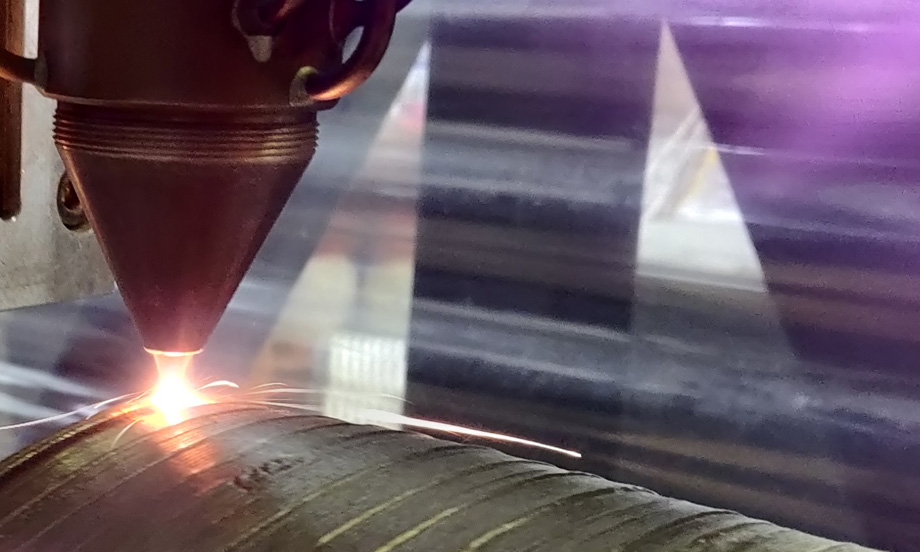
Source: skyrora.com
At the end of October 2025, it emerged that Skyrora had taken the lead in a European Space Agency (ESA) project aimed at introducing an innovative alloy called Tanbium. This material, developed on the basis of tantalum and niobium, is intended to replace traditional alloys used in the aerospace industry by providing exceptional resistance to ultra-high temperatures and corrosion under extreme operating conditions. The project is being implemented within the framework of ESA’s General Support Technology Programme (GSTP) in a consortium with Metalysis, which supplies metal powder using a patented low-carbon technology, and Thermo-Calc Software, which provides advanced thermodynamic modeling of the material’s properties.
The use of Tanbium in combination with 3D printing makes it possible to significantly optimize the geometry of combustion chambers and nozzles, reducing structural weight while simultaneously improving thermomechanical characteristics. For investors and industry analysts, the adoption of new types of alloys is expected to herald a shift from the use of standard materials toward specialized high-value-added alloys. The implementation of Tanbium potentially signals a strategic course toward strengthening the autonomy of European and British supply chains.
Localization of the full cycle, from the extraction and processing of raw materials by the company to final printing and testing, also has the potential to minimize Europe’s dependence on imports of critically important materials, thereby reducing logistical risks. In addition, the project aligns with modern Net Zero Space environmental standards, since the powder production technology is characterized by low carbon emissions, and additive methods drastically reduce waste of precious metals.
At present, Skyrora is moving toward the creation of a closed, high-tech, and environmentally sustainable ecosystem in which additive manufacturing technologies serve as an important solution in the ongoing race to reduce the cost of orbital launches. However, beyond 3D printing of space components on Earth, some players aim to bring printing operations directly into orbit, and not only within the confines of orbital stations.
Orbital factories and farms for semiconductor manufacturing
Another commercial approach focuses on transferring manufacturing capacity directly into orbit. Today, a pool of companies has formed in the market that are developing solutions for creating next-generation solar panels and for growing crystals for the terrestrial semiconductor industry.
As of 2026, Redwire Space is one of the leaders in orbital manufacturing, with more than 10 operational installations on board the ISS. However, the company’s strategy envisions moving beyond crewed stations through the full automation of processes within the concept of On-Orbit Manufacturing and Assembly (OMA). The foundation of this direction was the OSAM-2 project (also known as Archinaut One). This autonomous spacecraft, equipped with robotic manipulators and a supply of polymer material, was designed to print structural frames and components of solar panels in open space. This makes it possible to create space infrastructure on an unprecedented scale while optimizing logistical costs.
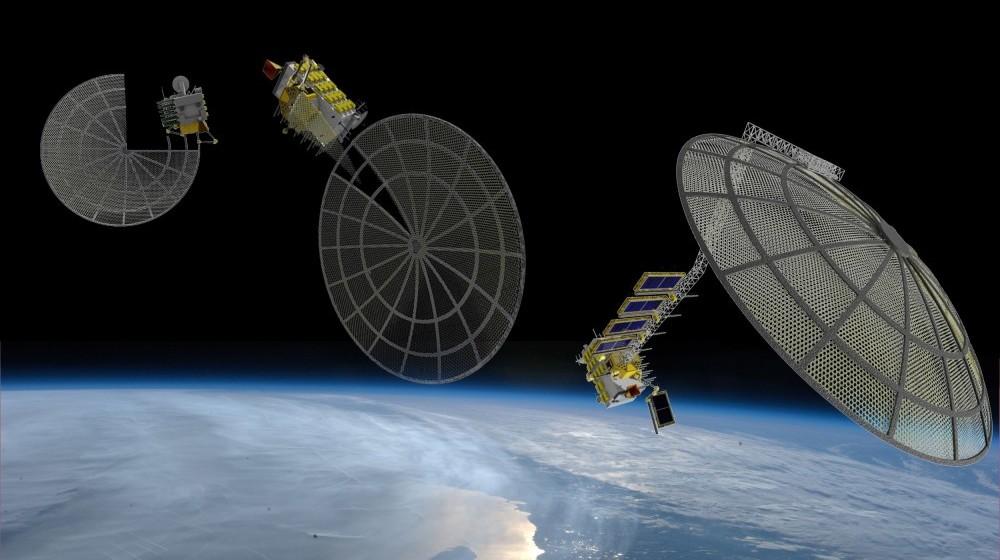
Source: 3dprint.com
Although the Archinaut project itself only reached the research and development (R&D) stage, the advancements made during its implementation laid the technological foundation for deploying the ISS Roll-Out Solar Arrays (iROSA), which are currently operational on the ISS and involved in the lunar Gateway program. While current iROSA versions are manufactured on Earth using additive methods to optimize mass, they serve as a transitional stage toward full on-orbit assembly, where future next-generation printers will be able to print segments directly in the vacuum of space.
At the same time, Orbital Composites is developing robotic systems to print carbon-fiber structures in open space, which are also intended to join the construction of giant solar power stations spanning several hectares. Some existing concepts for orbital power stations propose abandoning the complex assembly of thousands of small parts in favor of single, printed frames, radically reducing the cost of space-based energy and bringing the entire space energy sector closer to its ultimate goal—competitiveness with terrestrial power generation.
Another approach in the commercial sector involves deploying autonomous satellite factories in Earth orbit and potentially beyond. The British startup Space Forge officially opened a new era in the space industry by launching ForgeStar 1 into low Earth orbit (LEO) in July 2025, the world’s first commercial installation for manufacturing semiconductors in open space. But why is this British company so eager to move semiconductor production into orbit?
Using microgravity and the deep vacuum of space allows the creation of materials with a perfect crystal lattice, free from convection defects and impurities that are inevitable on Earth. According to the developers, products manufactured under such conditions could be thousands of times purer than their terrestrial counterparts, promising an increase in energy efficiency by 50–60%.
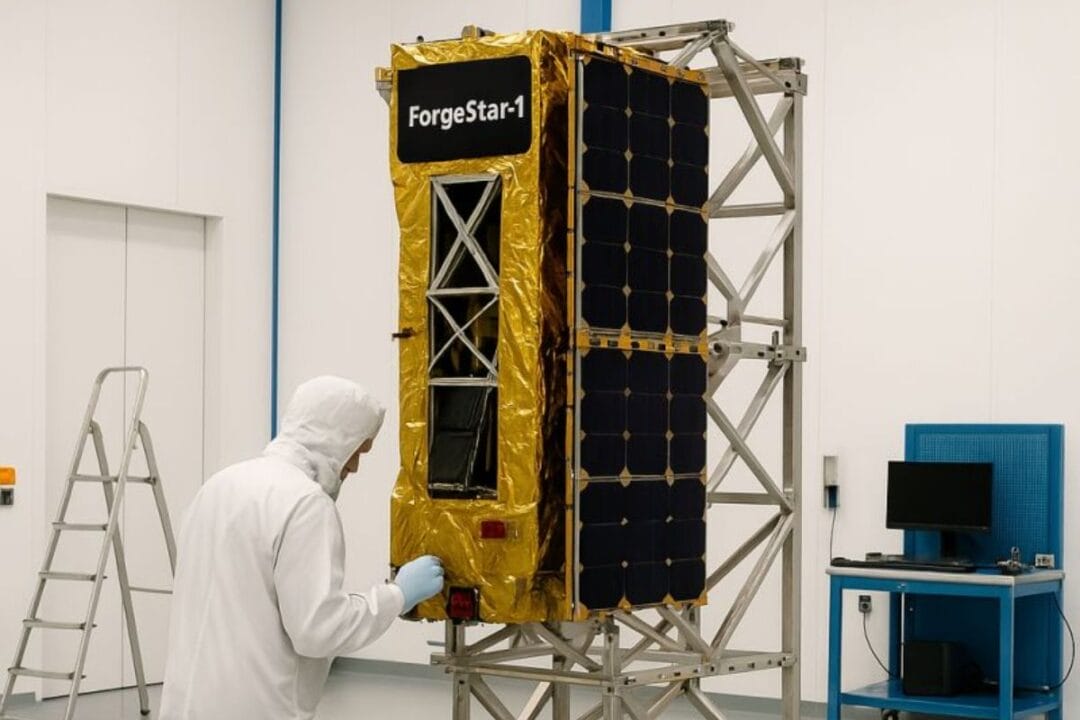
Source: en.clickpetroleoegas.com.br
In January 2026, Space Forge specialists successfully activated the production chamber of their satellite, inside which they were able to generate a stable plasma at temperatures of around 1000°C. The success of the installation confirmed the feasibility of controlled on-orbit crystal growth in the gas phase without human intervention and beyond the confines of orbital stations. The current mission is intended to initiate a hybrid production model, where only precious crystalline “seeds” are grown in space and later returned to Earth for mass replication. The company is already preparing its next satellite, ForgeStar 2, which will be equipped with a reusable Pridwen heat shield to safely return the manufactured products to Earth. This capability currently makes Space Forge unique in the space industry, as the company aims to establish a full supply chain of “space-made” components for the global high-tech market.
The ForgeStar 1 experience highlights the broader trend of moving from printing small parts to creating large orbital lattice structures. And although ForgeStar 1 is not a traditional 3D printer, but rather an orbital factory for growing crystalline structures, it serves as an additional factor demonstrating the economic viability of projects aimed at transferring certain types of terrestrial industry into orbit.
Planetary regolith printing: Project Olympus
Plans to adapt 3D printing technology for planetary colonization purposes have emerged only recently. One of the most prominent examples of this effort is the Olympus project, implemented by ICON with support from NASA.
Its journey began in 2018, when ICON participated in the 3D-Printed Habitat Challenge, capturing attention with demonstrations of its technology for printing habitats from local materials. This was precisely what NASA needed for sustainable human presence on the Moon under the new Artemis program. Such a system could transform tons of lunar regolith into a wet building material similar to cement, from which an automated printing station could produce all the infrastructure astronauts require, from landing pads to complex, shielded living modules.
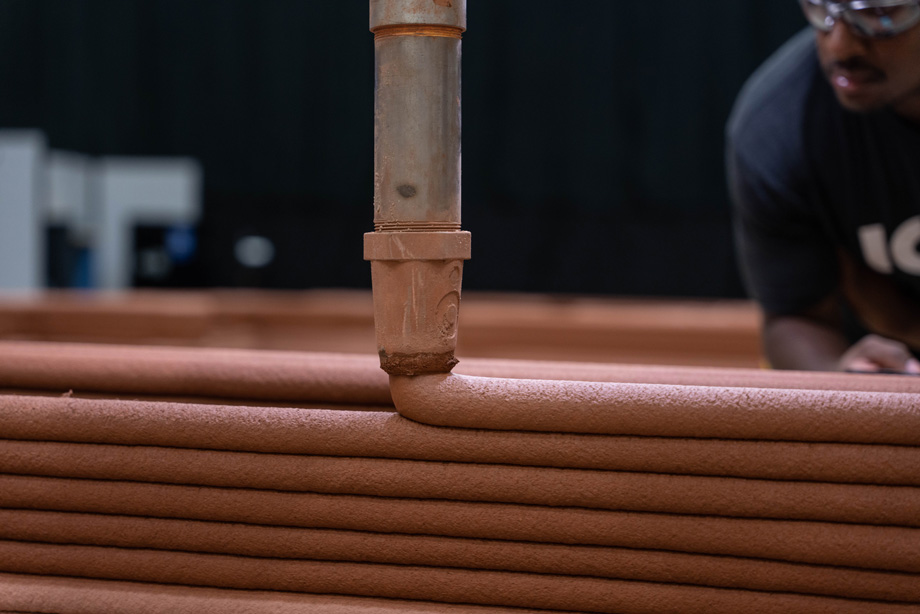
Source: nasa.gov
In 2022, NASA signed a $57.2 million contract with the ICON team, enabling a transition from ground-based simulations to the creation of a full-fledged space system. The technological core of the Olympus system is the laser sintering method (Laser Vitreous Multi-material Transformation). A massive robotic printer uses powerful lasers to melt lunar dust, transforming it into durable glass-like ceramic. This approach addresses a critical logistical challenge: since transporting a kilogram of building material from Earth costs over a million dollars, using in-situ resources is seen as the only economically viable solution.
An important preparatory stage was the testing of the Duneflow scientific equipment in February 2025 on a Blue Origin suborbital rocket. During the experiments, NASA specialists studied regolith under lunar gravity conditions to determine whether the material could be used to print not only ground-based but also orbital structures. A separate NASA research initiative is the Crew Health and Performance Exploration Analog (CHAPEA) program, for which ICON has already printed a full-scale settlement on Earth. The Mars Dune Alpha facility, covering 158 m², now serves as a simulation of a Martian habitat. Future astronaut teams conduct year-long preparatory missions there, testing the viability of the printed structures and studying the psychophysiological condition of humans living in the confined space of a planetary base.
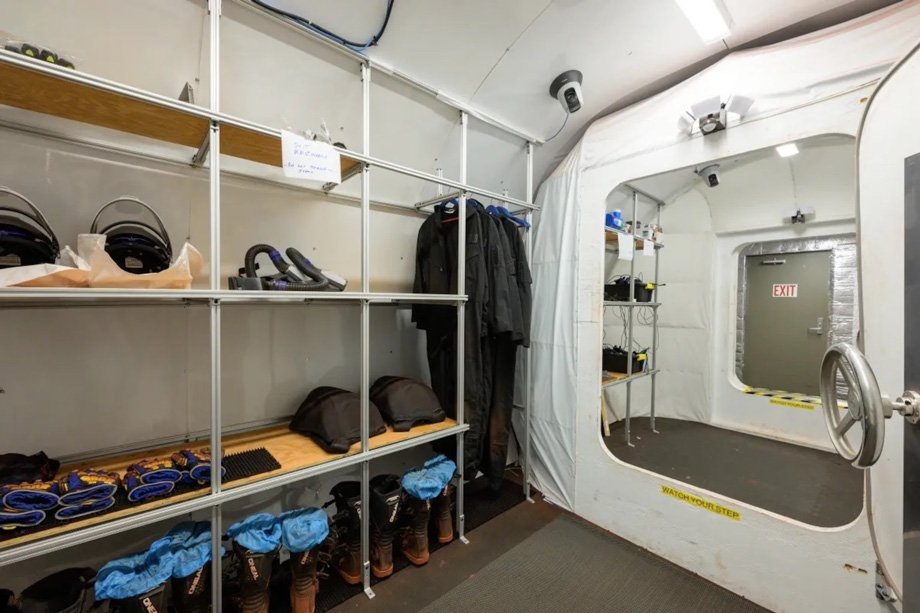
Source: abcnewsfe.com
As of early 2026, the Olympus project is in the final stages of ground preparation and integration with the Artemis II and Artemis III missions. The plan for 2026–2027 calls for sending the first demonstration module to the lunar surface to test the printer’s ability to operate under extreme temperatures and cosmic radiation conditions. The first actual construction project will be a landing pad designed to protect future spacecraft from the scattering of abrasive dust during touchdown. Success at this stage will allow NASA to begin erecting the first habitable structures by 2030, effectively turning the Moon into humanity’s first populated object beyond Earth, using the satellite’s own materials.
Bioprinters: printing organic structures in zero gravity
The most futuristic direction in additive manufacturing today is bioprinting, the creation of living tissues and organic structures in space. The arrival of the BioFabrication Facility (BFF) bioprinter on the ISS in July 2019 marked an important transition from simple equipment repair to the formation of biological structures that cannot be reproduced under Earth’s gravity.
The BFF platform, developed by the American company Made in Space in collaboration with nScrypt, addresses a fundamental problem in terrestrial bioengineering. On Earth, soft structures made of living cells tend to collapse under the influence of gravity, necessitating rigid chemical scaffolds that often provoke tissue rejection. In microgravity, cells can maintain their intended shape freely without external support, allowing the cultivation of organs with extremely fine and natural internal architecture.
The bioprinter uses an organic substance known as bioink, composed of living human cells (such as stem cells or specialized tissue cells) and nutrient hydrogels. In microgravity, the system deposits this biomaterial layer by layer to create volumetric structures, such as fragments of heart tissue or menisci, which retain their shape without the need for artificial scaffolds. After printing, the organic object undergoes a maturation cycle in the ADSEP bioreactor, where the cells self-organize into dense, living tissue capable of functioning as a natural analogue within the human body.
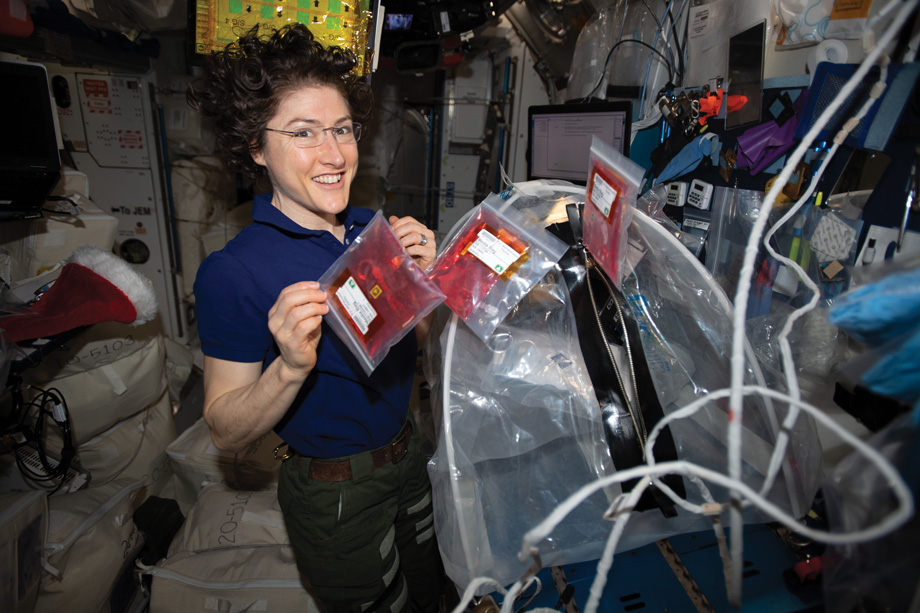
Source: canplastics.com
As of 2026, the BFF has become a fully operational orbital laboratory. One of the program’s most high-profile achievements was the printing of a knee meniscus and functional fragments of heart tissue in 2023. Notably, the heart patches produced by the machine demonstrated the ability to contract synchronously, a critical indicator for treating cardiovascular diseases and for transplantation applications. The system is also actively used to create organoids, or miniature replicas of livers and kidneys, on which subsequent laboratory studies can be conducted.
Last year, the BioFabrication Facility transitioned from test runs to executing complex bioengineering missions. A key event in 2025 was the launch of the MVP Cell-07 project in partnership with the Wake Forest Institute, during which 36 samples of liver tissue with their own vascular networks were grown in orbit, marking a milestone toward the goal of printing full organs. Today, the BFF operates on a commercial basis, providing a service that allows pharmaceutical companies to order the printing of organoids and tissues for drug testing, with results published in peer-reviewed scientific journals. Over the past year, data obtained from the BFF has contributed to the publication of around 50 scientific articles.
Another provider in the field of space pharmaceuticals is Varda Space Industries, which recently moved from experimental launches to the regular operation of its W-Series platform. The platform functions as an automated orbital factory, where the key process is gravity-independent crystallization. Inside the unmanned capsule, robotic systems heat and cool chemical solutions, enabling the growth of pharmaceutical crystals with perfect structure, free from convection-related defects encountered on Earth. After synthesis, the capsule performs an autonomous descent from orbit, protecting the highly sensitive biomaterial from extreme temperatures during reentry and landing via a parachute system.
Varda Space Industries’ journey since its first launch in June 2023 has been a story of overcoming both technological and regulatory challenges. The pilot mission W-1, despite successfully crystallizing an HIV drug, became entangled in bureaucracy: without FAA and U.S. Air Force approvals, the capsule had to wait eight months before finally landing in Utah in February 2024. This experience forced the company to diversify its logistics and strengthen safety measures for storing and transporting materials. By 2025, the next missions (W-2 and W-3) proceeded without bureaucratic obstacles, using Australian test ranges for landings.
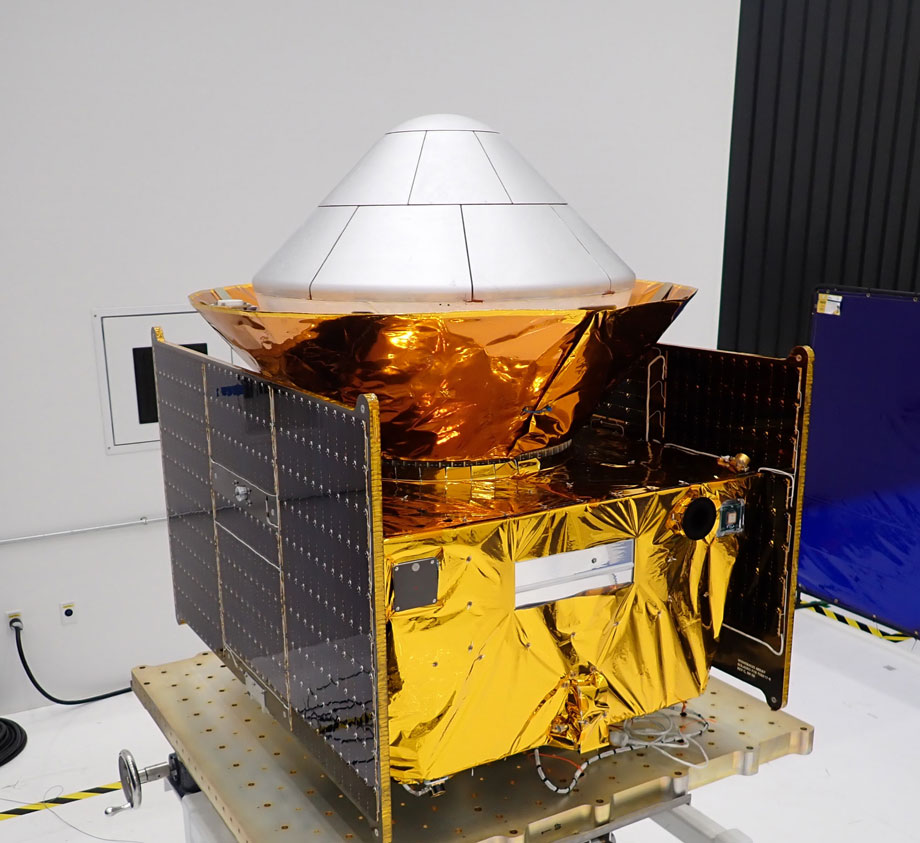
Source: varda.com
The role of additive technologies in Varda’s business model is strategically crucial for ensuring rapid launches and flexible production. The company uses industrial 3D printing to create customized cradles, mounts, and internal reactor components tailored to the specifications of each pharmaceutical order. In this way, Varda can produce optimized parts in just a few days, perfectly matching the geometry of the laboratory equipment.
The Varda Space project is currently evolving towards a full-fledged Factory-as-a-Service model. After successful system validation and capsule returns in 2024–2025, the company has focused on scaling its fleet of autonomous satellites and expanding partnerships with global pharmaceutical giants.
Over the past decade, additive technologies have become a major driver of space expansion and are now present in nearly every aspect of orbital activity: from printing fairings and rocket components to synthesizing semiconductors, drugs, and living cells. Having progressed from creating the first plastic tools to complex structures in metal, ceramics, and biomaterials, we have progressively mastered the process of digital manufacturing in a vacuum. This transformation turns near-Earth space into a limitless workshop, where 3D printing becomes the fundamental tool for building autonomous settlements and exploring deep space.