Artificial intelligence, now accessible to virtually everyone on Earth, has significantly transformed the computing services industry. The capacity of existing data centers is no longer sufficient, even though they already consume about 1% of the world’s total electricity. By 2030, their consumption could rise to 80 GW, compared to just 25 GW in 2024, according to McKinsey. The industry also faces other challenges: low energy usage efficiency (PUE), a carbon footprint in the form of CO₂ emissions, and even difficulties in choosing suitable locations: for example, in some countries, data center construction is strictly regulated, while in others, access to robust energy infrastructure is lacking.
In search of alternative and sustainable solutions, major players like Google, Amazon, Microsoft, and Digital Realty are investing in renewable energy sources, using natural underground cooling, and applying AI to manage energy consumption. But in the future, more radical approaches may emerge: for instance, building data centers in space. Today, that may sound like science fiction, but wasn’t the idea of sending a human into space once just as unimaginable?

Source: keppeldatacentres.com
Why build data centers in space?
Private space companies have democratized access to space, ushered in the New Space era, and accelerated humanity’s expansion into space. Today, they build rockets, satellites, space stations, and organize commercial flights. SpaceX has played a major role in advancing space tourism, thanks to its practice of reusing rockets, which reduces launch costs. What was once expensive and exclusive to major national agencies can now be pursued by entrepreneurs and enthusiasts with cosmic ambitions.

Source: en.wikipedia.org
On one hand, space has become more accessible; on the other, its exploration continues, and satellites and autonomous spacecraft play a crucial role in this by collecting vast amounts of data. AI tools help filter and identify the most valuable data for scientists, which is then transmitted back to Earth. However, the overall task of processing, storing, and transporting this data remains complex and resource-intensive, particularly in terms of energy consumption. Moving these operations into space could reduce the load on data transmission channels and improve response times on Earth in critical situations. For instance, in the event of an approaching flood or volcanic eruption, it’s crucial to receive data in real time to act swiftly.
The growing demand for AI workloads requires not just more servers but also more powerful processors that consume significant energy and generate a lot of heat. Ground-based facilities may soon be unable to meet the increasing demand for computation, whereas space offers virtually unlimited access to clean solar energy. Solar panels positioned in space could capture and store this energy more efficiently than those on Earth, providing power to orbital data centers.
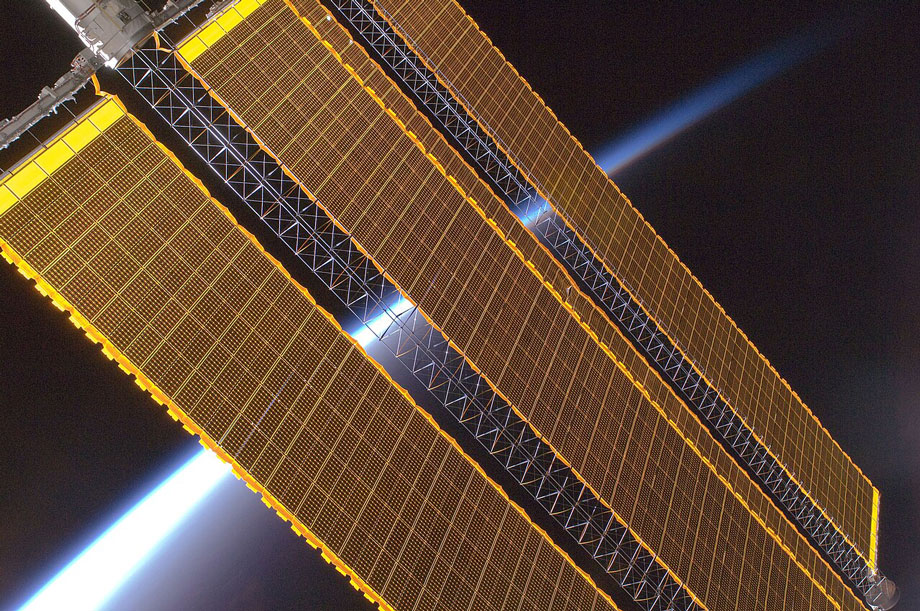
Source: en.wikipedia.org
According to the International Energy Agency, existing data centers are responsible for about 0.6% of global greenhouse gas emissions, and P&S Intelligence estimates that one-third of the energy consumed by a data center goes toward powering its cooling systems alone. Overheating equipment requires active cooling, which in turn consumes additional resources. As a result, there has been a marked increase in both the overall energy consumption of data centers and CO₂ emissions from fossil fuels. This problem is particularly acute with new AI-enabled processors, which generate so much heat that traditional air cooling is becoming ineffective. According to Morgan Stanley, by 2030, carbon dioxide emissions directly and indirectly caused by data centers, driven by their rising energy demands, could reach 2.5 billion tons.
The importance of cooling in data center infrastructure is underscored by recent examples. In July 2022, record-breaking heat in London, which exceeded 40 °C, caused cooling systems to fail, resulting in outages at data centers run by Google and Oracle. Two months later, heat forced the shutdown of Twitter’s data center in Sacramento. These incidents highlight how vulnerable traditional infrastructure can be to extreme climate conditions.
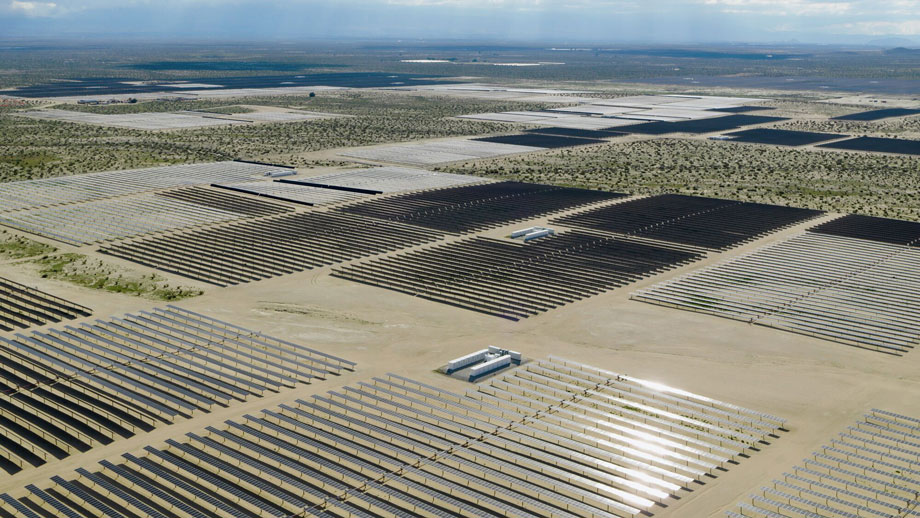
Source: aboutamazon.com
Many major operators have already committed to decarbonization, but their efforts are likely to be offset by the rapid growth in AI-related workloads. Even a transition to green energy may not be able to keep pace with increasing computational demands. As a result, corporations are already seeking new locations for data center construction, as well as alternative energy sources. Deploying computing infrastructure in space could offer one solution to these problems. Data centers would gain access to a constant energy supply, and their negative impact on Earth’s atmosphere would be reduced as energy-intensive processes are moved off the planet.
There are other advantages as well. Low temperatures and the ability to efficiently dissipate heat in a vacuum could help solve the critical problem of server cooling. And transmitting data via laser communication links appears safer than relying on undersea fiber-optic cables. As recent events have shown, deep-sea cable laying does not guarantee protection from sabotage: four cables cut in the Red Sea (an incident that occurred in January 2025) disrupted 25% of internet traffic in Africa, Asia, and the Middle East.
How can data centers be constructed in space?
Orbital data centers will likely include powerful hardware such as DPUs (data processing units), network deployment devices, and graphics cards, which have proven effective for artificial intelligence, machine learning, analytics, and forecasting tasks. These hardware components could be housed in a separate module attached to a satellite, powered by batteries that store solar energy.
The European Space Agency recently outlined three possible scenarios for implementing data centers in space. In the first scenario, two satellites are placed in the same orbit: one collects data while the other processes it, effectively serving as the data center. This approach eliminates the need to transmit data back to Earth, as is currently done in most cases.
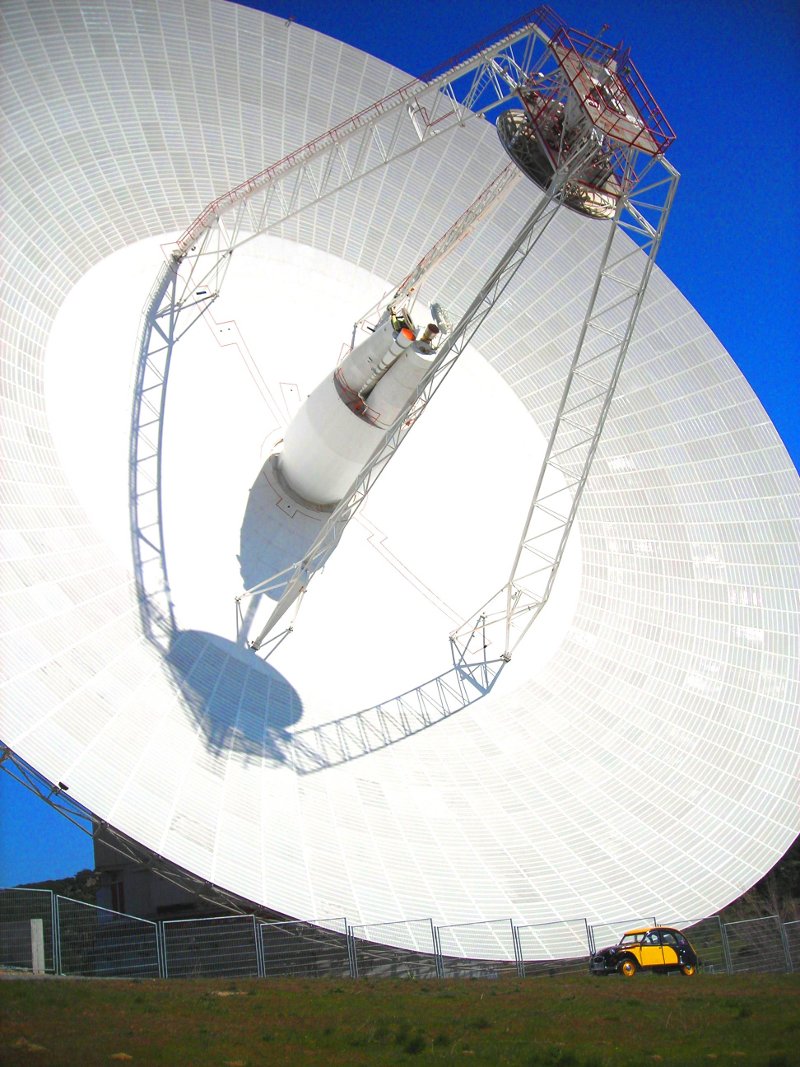
Source: nasa.gov
The second scenario also uses two satellites: one in low Earth orbit and the other in geostationary orbit. Due to technical limitations, the first cannot continuously transmit data to Earth, so the second, geostationary one, takes over this task after preliminary data processing. This ensures a constant and stable connection, even when the observation satellite moves rapidly and leaves the visibility zone of ground stations.
The third scenario envisions a lunar lander serving as a space data center. It would process data transmitted by Mars rovers and lunar rovers that autonomously explore planetary surfaces.
Transmitting data into space online is a challenge that has yet to be solved
The constant transmission of data from a space data center to Earth and back could become a significant roadblock. Currently, geostationary and relay satellites are the most effective at providing real-time data transfer. However, how to do this efficiently to avoid data loss and ensure an acceptable speed when working with an orbital computing center is a problem that has yet to be solved.
The most realistic solution seems to be the use of laser communication systems for satellite networks (this is called Laser Communications Relay Demonstration, or LCRD), which NASA and several private companies are already testing. Infrared lasers, which are invisible to the naked eye, are used for sending and receiving data, allowing the standard bandwidth to increase by 10-100 times compared to traditional radio frequency systems. The laser communication system also has the advantage of being lighter and having lower power requirements, and the reduced power consumption means a more efficient use of battery charge. The first application of LCRD was the ILLUMA-T terminal, placed on the ISS as a payload. It aggregated high-resolution scientific data and transmitted it to a ground station. After several experimental operations, it achieved an impressive data transmission speed of 200 Gbps!
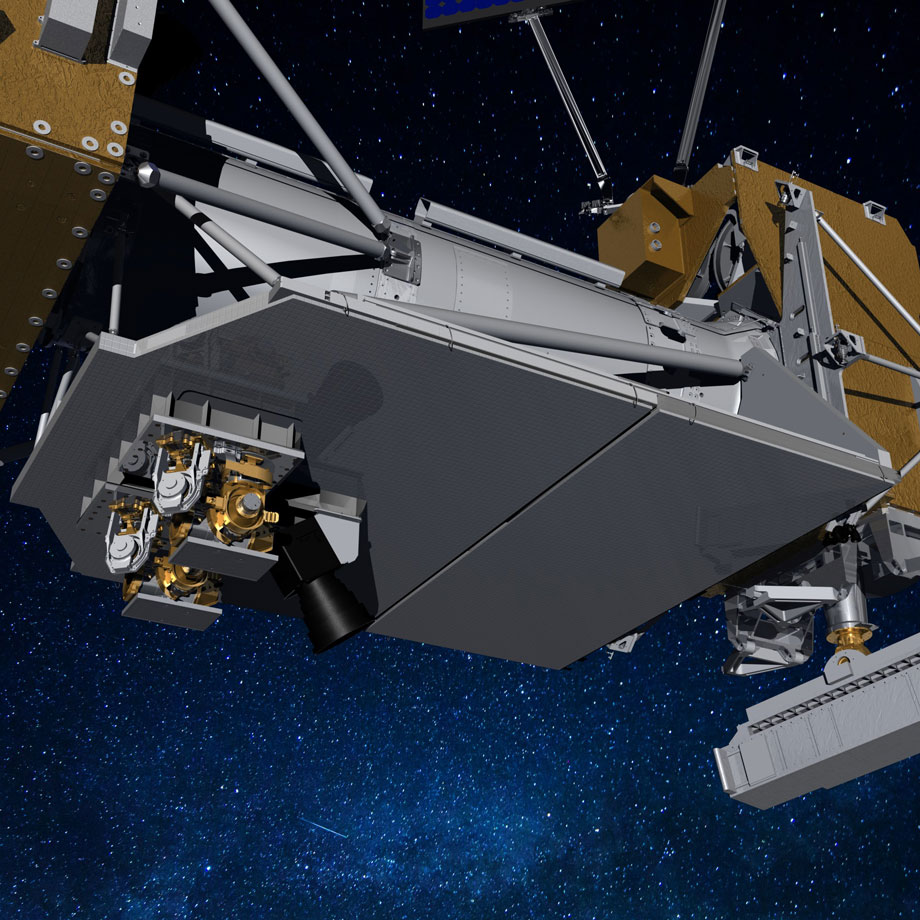
Source: nasa.gov
It is not only NASA that sees a future in LCRD technology: Google also sees great potential in transporting space data using laser internet networks. The corporation plans to build such a network as part of its Taara project, which will provide connectivity to remote regions. Given that the company already has more than a hundred ground-based data centers, its ambitions could easily extend to outer space.
The first data centers in space: the future is coming
In February 2025, Lonestar Data Holdings sent a data storage system to the Moon, housed in a box-sized enclosure. The payload, a data center called Freedom, arrived on the Moon aboard the Athena lander from Intuitive Machines. Lonestar’s president, Steve Eisele, believes that “ultimately, the Moon could be the safest place to store a backup of your data.” According to him, such a storage system is physically inaccessible to third parties, difficult to hack remotely, and is protected from natural disasters, power outages, and military actions.
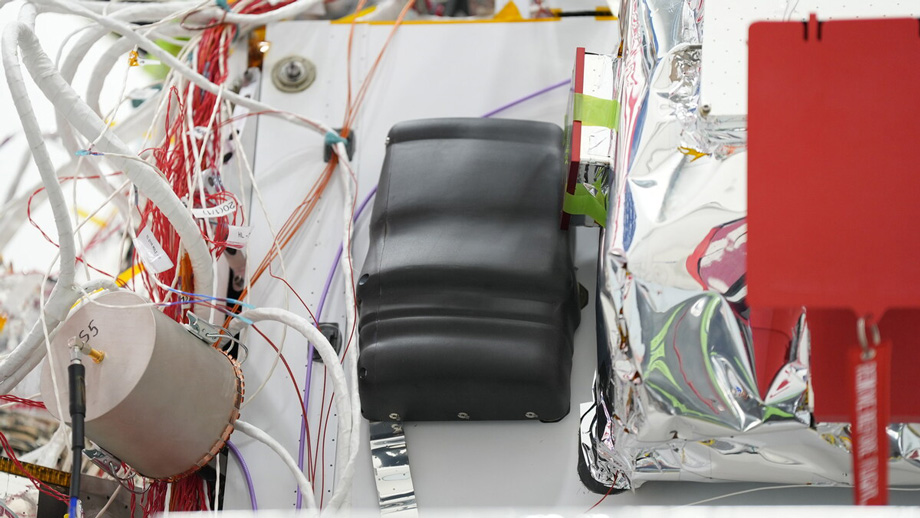
Source: prnewswire.com
The Lonestar system has 8 TB of memory, and its battery will last for a couple of weeks before the lunar night arrives, the temperature drops sharply, and solar power runs out. However, this is enough to test the viability of data upload and download, as well as the operation of protocols necessary for secure data transmission on the Moon. In 2027, Lonestar plans to launch another commercial data storage system and place it 65,000 km from the Moon. It will serve one of the satellite constellations and have continuous access to the data it collects.
Another company, Axiom Space, known for its short commercial missions to the ISS, plans to place a server prototype on the station. By the end of this year, the company aims to launch two data centers into orbit to process data from Kepler Communications’s satellite optical network. These are already used for defense purposes, supporting space missions, and Earth observation. By 2027, Axiom Space intends to deploy its own computational node aboard another module. It is expected that their orbital computing center will collect and process data from several satellites in real time, as well as analyze this data using artificial intelligence.
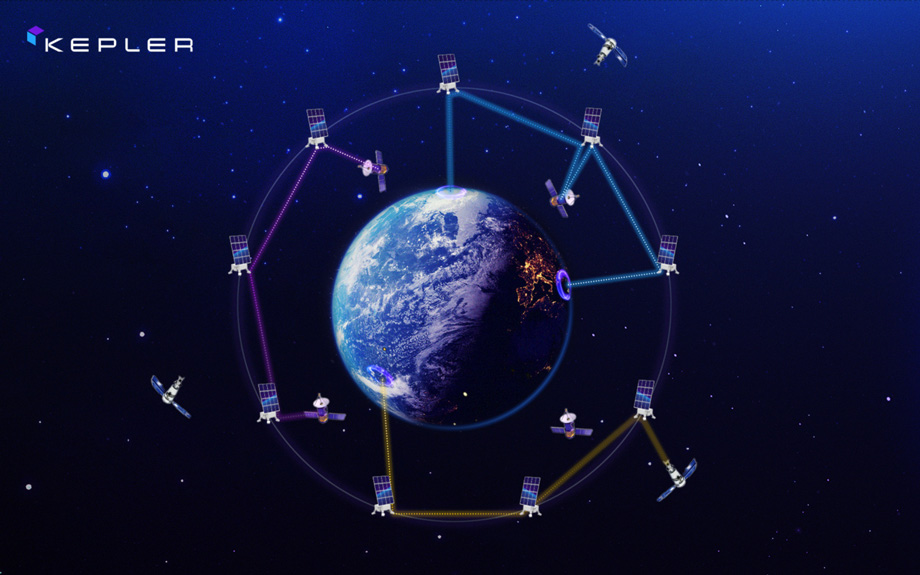
Source: payloadspace.com
According to Jason Aspiotis, Director of Space Data and Security at Axiom, data centers in space will support various use cases, which is especially important for both national security and scientific applications. He also mentioned that computational power in space could reduce costs for both space agencies and private companies, as they would no longer need to pay for transmitting large volumes of data back to Earth.
Similarly, Starcloud, formerly known as Lumen Orbit, is focusing on space-based data processing and is developing and deploying orbital data centers. Among its ambitious plans is the creation of a network of data centers in space and the subsequent scaling of their capacity to several gigawatts. Starcloud believes that this is the way humanity will meet the growing demand for computing, driven by the need to train large artificial intelligence models, such as GPT-6. In the meantime, Starcloud is collaborating with NVIDIA and, with their support, plans to launch the first demonstration satellite with graphics processors whose power is a hundred times greater than the chips previously used for this purpose. The mission is scheduled for July 2025.
Challenges and limitations
For stable operation in space conditions, data centers must meet several specific requirements, receive enough solar energy to power them, and be economically viable. This means there are challenges in their deployment and operation, but the nature of these problems differs from those encountered on Earth.
Solar energy in space is free and always available, but there are no successful examples yet of its use for powering infrastructure, even for small data centers. Their operations could be threatened by anti-satellite missiles and nuclear explosions, but the biggest threat comes from space debris, which is growing exponentially. It is not always possible to protect against or avoid this, even with special structures. Similarly, solar particles can damage sensitive electronics. To prevent this, Axiom plans to use military-grade equipment adapted to operate in extreme conditions. Lonestar, on the other hand, plans to protect its equipment from solar radiation by placing its data centers in lava tubes beneath the lunar surface.
Even if space data centers are located in low Earth orbit (LEO), this orbit will need to be constantly adjusted. This is due to atmospheric drag and gravitational perturbations, which cause the spacecraft to gradually lower its altitude. To maintain a specific orbit, traditional rocket engines (which are responsible for maneuvers and orbit corrections) consume a lot of fuel, which is costly and significantly increases the weight of the spacecraft. One potential solution is to switch to Hall effect electric thrusters. These engines provide kinetic acceleration with minimal energy consumption, enough to perform orbital maneuvers and maintain orbit.
Such engines are already being designed and produced by SETS (Space Electric Thruster Systems), which is part of the Noosphere group of companies founded by Max Polyakov. These developments also solve a number of other problems, including reducing a spacecraft’s weight, decreasing the amount of space debris by avoiding collisions, and lowering the cost of launches. SETS customizes propulsion systems for each mission, meaning they could potentially be used to maintain the orbit of satellites that carry space data centers as payload.
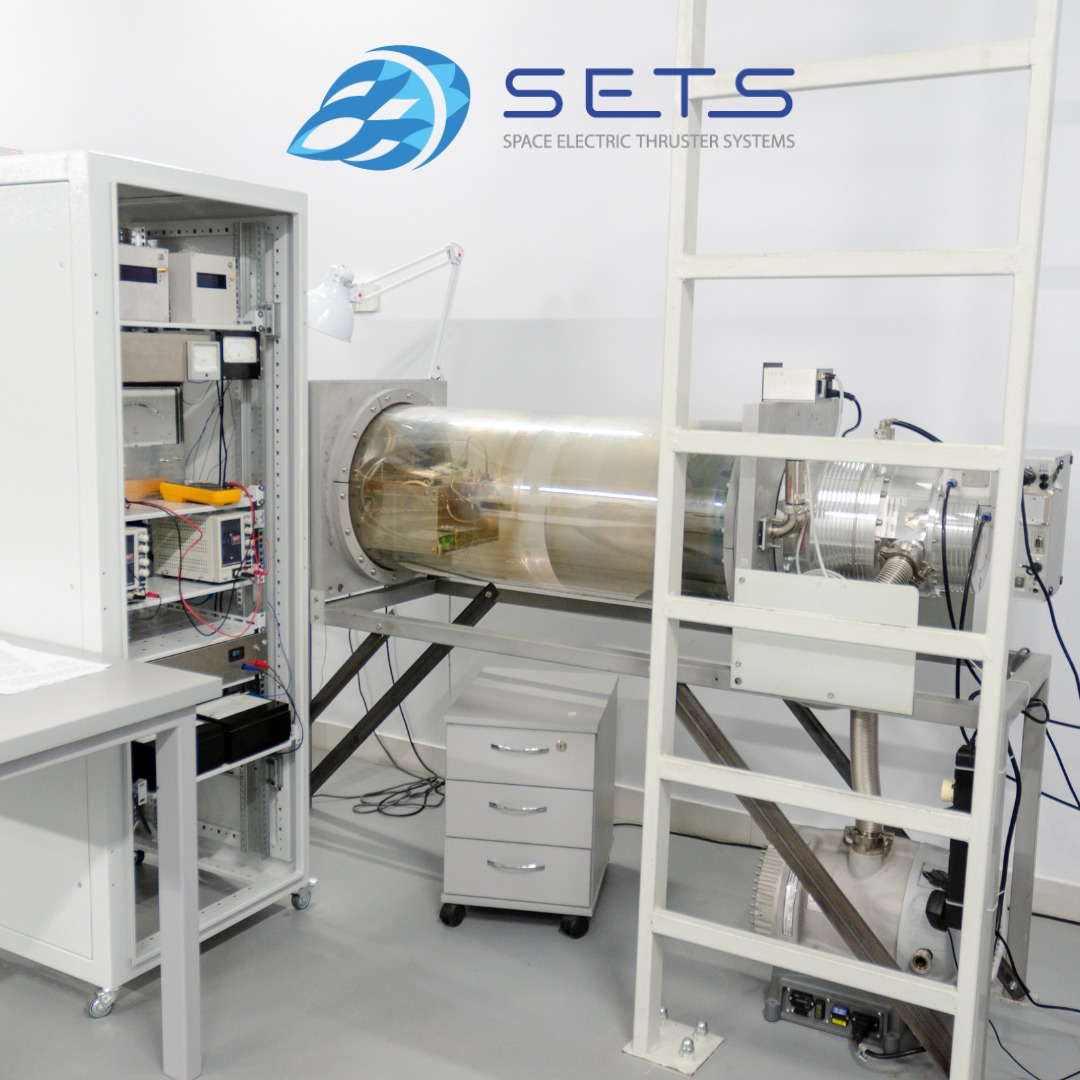
Source: SETS facebook
Despite the serious challenges and limitations, interest in moving computational power beyond Earth is only growing. According to Domenico Vicinanza, Associate Professor at Anglia Ruskin University, in terms of scope and ambition, the full relocation of data centers to space can be compared to a manned mission to the Moon. In general, the harsh conditions in orbit still raise concerns regarding the stable operation of such objects. However, there are reasons for optimism: today, private companies and research institutions are working on technologies that could make space-based data centers a commonplace phenomenon in the next few years. The successful cases of Lonestar, Starcloud, and SETS have already brought this new reality closer.