In the European space sector, 2025 was marked by the 50th anniversary of ESA and the first orbital launch of Ariane 6. The Biomass mission was launched to create a global map of forests, and the EarthCARE satellite delivered unique imagery, from tropical cyclone Vince to plumes of smoke from Canadian wildfires and polar stratospheric clouds.
2026 promises another year of important and interesting events: rocket tests, new scientific spacecraft, further development of Earth observation programs, and the first long-duration flight of an ESA astronaut to the ISS. While exact dates are still being finalized and projects continue to take shape, we’d like to take a look at some of the most notable and anticipated projects of 2026.
The manned εpsilon mission to the ISS
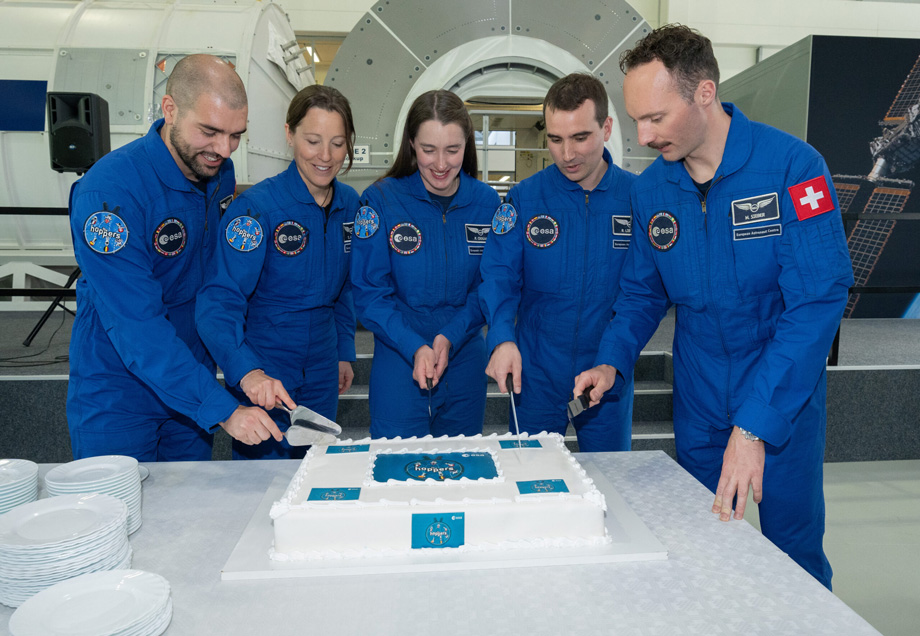
French astronaut Sophie Adenot was selected for a flight to the ISS in 2022, and in February, she will at last set off on the six-month εpsilon mission, together with three other astronauts. The mission, whose name refers to the fifth letter of the Greek alphabet and the fifth-brightest star in the constellation Leo, will launch from the Kennedy Space Center.
Adenot will join the Crew-12 team aboard the Dragon capsule and, over the course of six months, will carry out more than 200 scientific experiments, as well as take part in the operation and technical maintenance of the station. An educational experiment under the ChlorISS project is also planned, designed to engage young people with space in an accessible and inspiring way and encourage them to consider careers in science. Sophie’s work will be directly supervised by the CADMOS center, which is responsible for developing applications for microgravity environments and managing space operations within the French space agency CNES.
This will be the first flight of a French astronaut to the ISS since Thomas Pesquet’s Alpha mission in 2021. Sophie Adenot will also become the second French woman to serve as a member of an ISS crew, 25 years after Claudie Haigneré.
Source: esa.int
First launch of Ariane 64
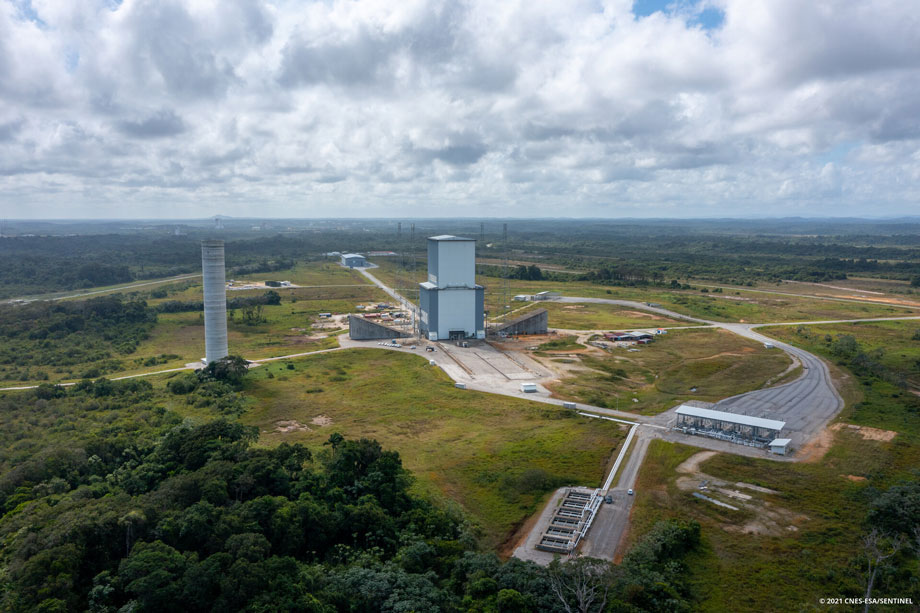
The debut of Ariane 64, a new European launch vehicle from the Ariane family, is scheduled for the first quarter of 2026. The flight will take place against the backdrop of a general increase in the number of Ariane 6 launches. The Ariane class operates in two versions: Ariane 62 and Ariane 64, with two and four boosters respectively, with Ariane 64 designed to deliver payloads to low Earth parking or geotransfer orbit.
The “heavier” Ariane 64 variant is specially adapted for launching large scientific and military satellites into orbit. Its payload capacity ranges from 11.5 to 21.5 tons, depending on the target orbit. Ariane 64 will make its maiden flight from the launch pad at Europe’s spaceport in French Guiana, which was built and is operated by CNES. ESA, in turn, oversaw the procurement process and designed the launch system architecture. ArianeGroup (the prime contractor) and Europropulsion, which develops the P120C solid rocket booster, are also involved in the preparations.
Source: esa.int
Launch of ESA’s Celeste demonstration mission
At the end of 2025, ESA marked the 30th anniversary of European satellite navigation. Already in the first quarter of 2026, the first launch of Celeste (formerly known as LEO-PNT) will take place. Celeste will be a constellation of ten satellites of two types that will operate in low Earth orbit to test innovative signals across various frequency bands. The Celeste satellites will be launched from New Zealand aboard Rocket Lab’s Electron launch vehicle.
During a six-month experimental period, scientists hope to assess the satellites’ performance in conjunction with Galileo, EGNOS, and other GNSS systems. In the longer term, this is expected to enable the provision of higher-quality and more reliable satellite positioning services. The ultimate goal is to add a new low-orbit layer to Europe’s satellite navigation systems, with Galileo at its core. Celeste is expected to help stimulate European innovation and open up new opportunities for the global market, while involving partners in the project will make it possible to conduct new experiments to test enhanced satellite service capabilities.

Source: esa.int
Space Rider test series
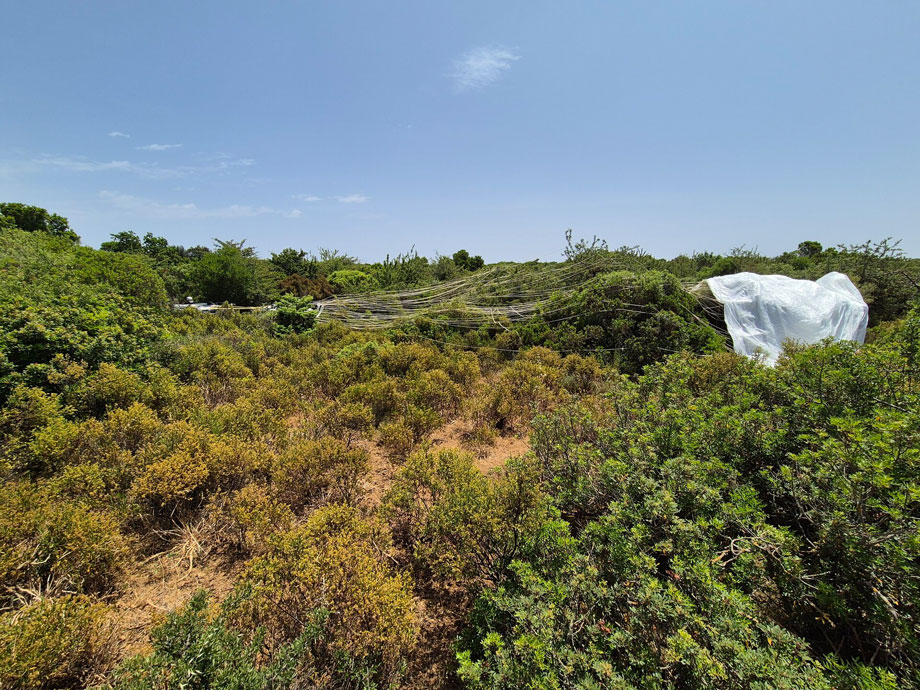
At the beginning of 2026, drop tests of Space Rider will take place at the Salto di Quirra test range in Sardinia, Italy. Space Rider is Europe’s first reusable space transportation system, designed as an uncrewed robotic laboratory. It will be launched aboard a Vega-C launch vehicle and remain in orbit for two months, during which time numerous experiments in biomedicine, pharmaceuticals, biology, physics, and other sciences will be conducted inside its 1,200-liter cargo bay.
At the end of the mission, Space Rider will return to Earth with its payload, land on a runway, and, after unloading, begin preparations for its next flight. For ESA, this will represent an important step toward developing its own reusable spacecraft.
Previously, Space Rider models were already dropped to Earth from a helicopter at an altitude of 2.5 km to test guidance and navigation algorithms. 2026 will see the first full drop-system test, which will use an exact replica of the reentry module, matching the same aerodynamic shape and mass.
Source: esa.int
Testing the Themis rocket
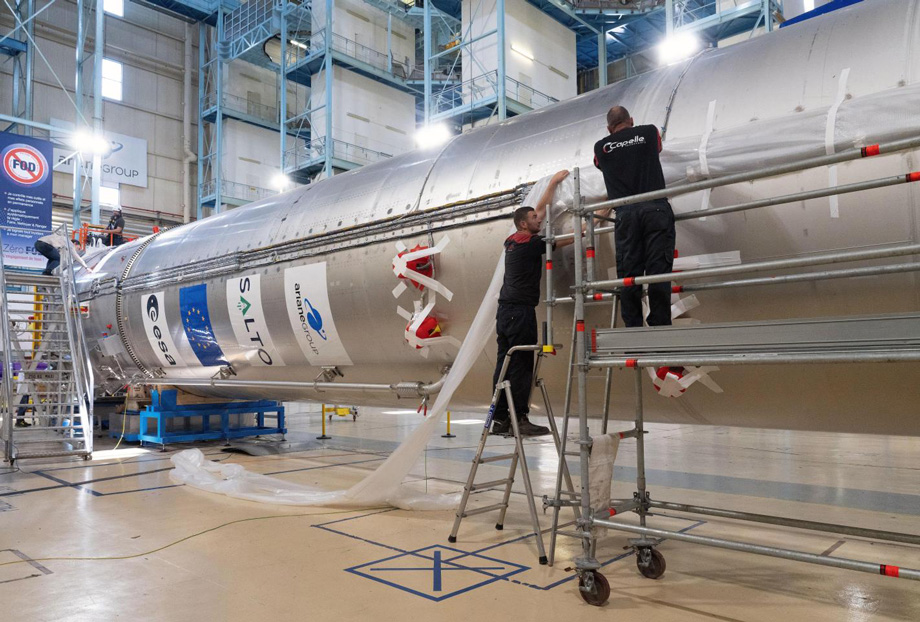
In addition to another round of Space Rider tests, a demonstration of a full-scale Themis rocket element during takeoff and landing is expected in the first quarter of 2026. The tests will take place at the Esrange Space Center in Sweden. The demonstration model of the reusable Themis rocket stage, developed by ArianeGroup, was fully assembled in France in autumn 2025 and is now located on the launch pad. The vehicle itself is about 30 meters tall and 3.5 meters in diameter, and is equipped with a cryogenic propulsion system powered by the Prometheus engine.
The planned tests will help obtain important data to validate technologies for building reusable European launch vehicles. ArianeGroup serves as the coordinator of the SALTO project, under which Themis is being developed, while overall management is handled by the HaDEA organization.
Source: hadea.ec.europa.eu
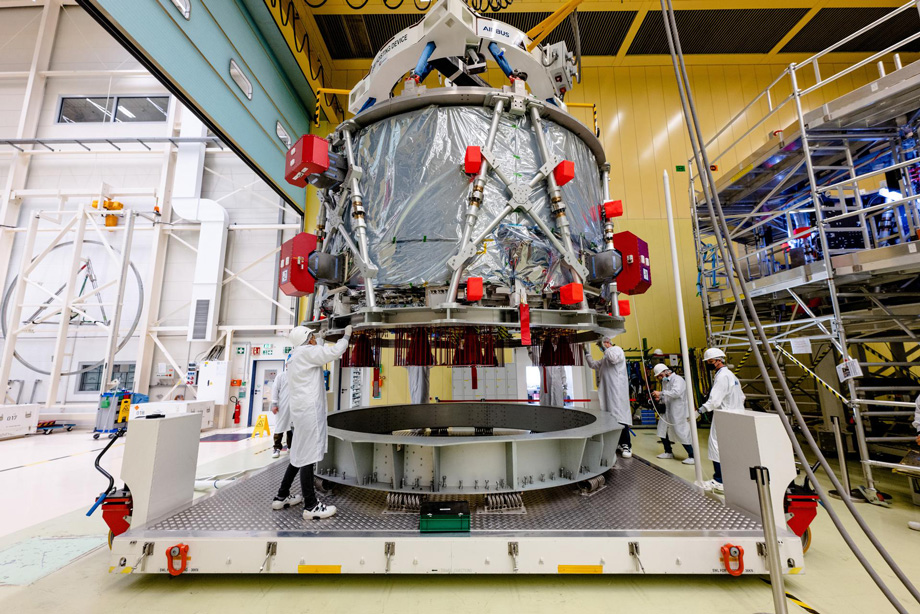
The European ESM module will be part of the Artemis II mission.
No later than April 2026, four astronauts (three Americans and one Canadian) will depart from the Kennedy Space Center on a ten-day journey around the Moon in the first crewed mission to Earth’s natural satellite in more than 50 years. One key component of the Orion spacecraft will be the ESM service module, built in Europe. The module, developed by Airbus, provides propulsion, electrical power, thermal control, and other life-support systems for the astronauts. These are elements that are critically important for ensuring the most comfortable and safe stay of humans in space.
Source: nasa.gov
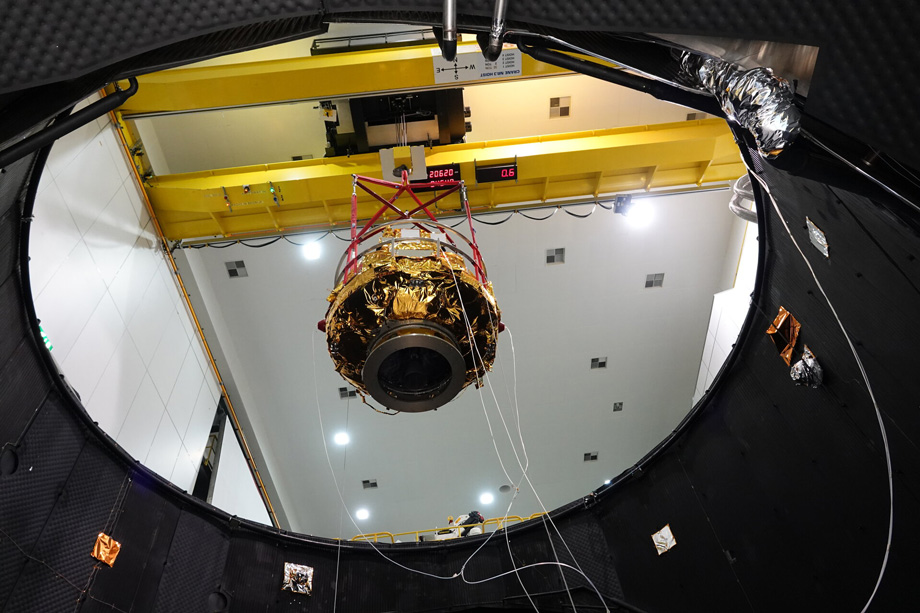
Launch of SMILE, a joint mission with the Chinese Academy of Sciences
The Solar Wind Magnetosphere Ionosphere Link Explorer spacecraft (or simply SMILE) will provide a more comprehensive understanding of how Earth responds to particle flows and radiation outbursts from the Sun. The mission, which is aimed at visualizing our planet’s magnetic field, is scheduled to launch from the European spaceport in French Guiana aboard a Vega-C launch vehicle in April 2026. Over the course of SMILE’s three-year journey, the spacecraft’s four primary instruments, positioned over 120,000 km above the North Pole, provide over 250 researchers with valuable data.
This will allow scientists to fill gaps in their understanding of the nature of the solar wind, solar storms, and space weather, and, in the long term, to improve the safety of astronauts and space technologies. While previous spacecraft have already observed the solar wind and coronal mass ejections from the Sun, the SMILE mission will be unique: thanks to its wide field of view in X-ray and ultraviolet wavelengths, it will help build a truly global picture of the interaction between the Sun and Earth. In addition, it will be the first mission in history capable of observing the aurora continuously for 40 hours.
Source: esa.int
Data releases from Euclid and Gaia
In 2026, scientists will receive the next data set from the Euclid space observatory, developed by the European Space Agency and launched in the summer of 2023. Currently, this telescope is mapping the structure of the Universe, observing one and a half billion galaxies at distances of up to ten billion light-years. It is also helping us understand how the Universe has expanded throughout its history and the role that gravity and dark matter have played in this process.
Over the course of six years, Euclid will collect several dozen petabytes of data to create the largest catalog of cosmic objects to date. In November 2023, the telescope provided the first full-color images of a large patch of the sky, and in June 2026, an intermediate data release is scheduled, ahead of the main release planned for October of next year.
See how the Euclid telescope studies the sky using its two instruments:
At the end of the year, the first full data release from Gaia, the optical space telescope launched by ESA in 2013 to create the most precise 3D map of the Milky Way, is also expected. Over 500 TB of data from more than 2.7 billion sources will be made public, including previously unpublished ones. This is an incredibly important event for astrometry!
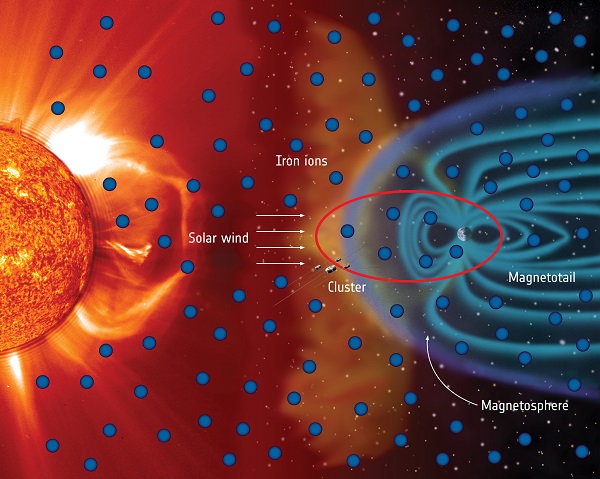
The last two Cluster spacecraft will return to Earth’s atmosphere.
The European Cluster mission, dedicated to studying Earth’s magnetic field, will finally conclude in August–September 2026, when the last two orbiting spacecraft, Samba and Tango, will enter our planet’s atmosphere. Since the beginning of this century, four satellites have been studying the nature of solar storms and revealing the complex interactions between the Sun and Earth. The mission officially ended on September 8, 2024, when the Salsa spacecraft splashed down in the southern Pacific Ocean. ESA uses data on how the satellites re-enter one by one to make this process even safer.
Source: esa.int
Construction of a new space center begins
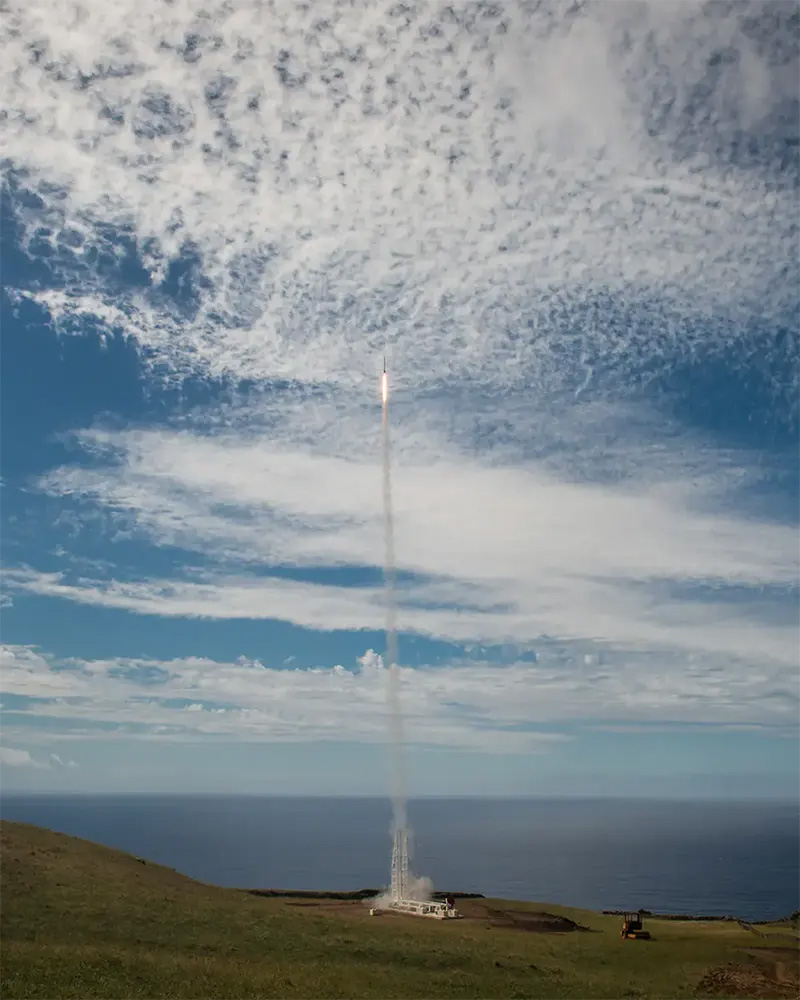
In the second half of 2026, construction will begin on a space technology center. ESA and Portugal have agreed to invest €15 million in the project. The future facility will be located on Santa Maria Island in the Azores. The island has the appropriate technical conditions to host a launch pad for the first fully reusable European orbital vehicle, Space Rider. Its launch is planned for 2028 from the spaceport in French Guiana, with the landing scheduled to take place on Santa Maria Island.
The future Santa Maria Space Technology Center will serve Portuguese, European, and global stakeholders, promoting innovation and economic development in the Azores. The island is already home to the eponymous S-band station, one of the first in ESA’s global Estrack ground station network, capable of tracking launch vehicles.
Source: spaceport.pt
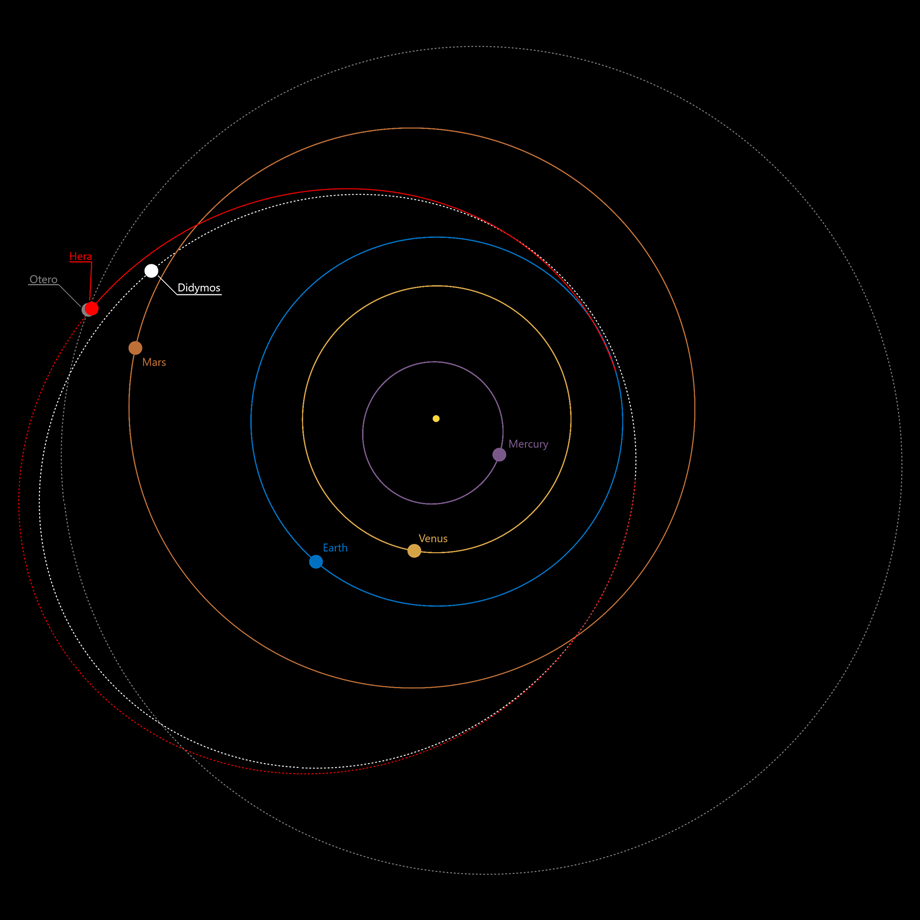
Hera will arrive at Dimorphos
ESA’s Hera mission will study the aftermath of NASA’s DART mission, in which a special probe deliberately collided with Dimorphos, the moon of the Didymos asteroid, in September 2022. This was the first time that the orbit of a celestial body was altered using a kinetic impact.
The autonomous interplanetary spacecraft, Hera, is expected to reach the Didymos system by the end of 2026 and begin its scientific program. This is anticipated to become one of the most ambitious experiments in radically advancing planetary defense.
Source: esa.int
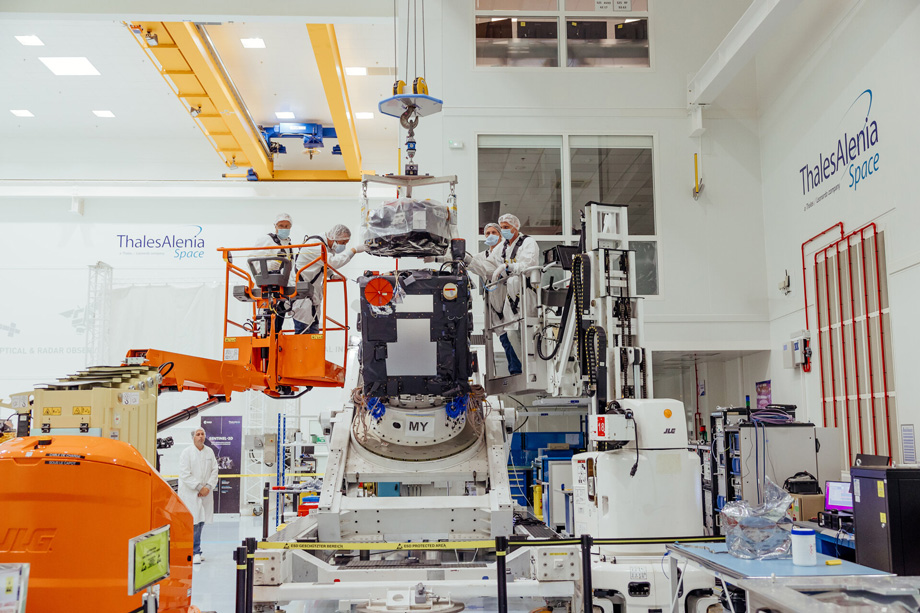
Launch of the FLEX mission to study photosynthesis
The Fluorescence Explorer (FLEX) instrument, which will be launched into orbit in the third quarter of 2026 on a Vega-C rocket from the Kourou spaceport as part of the Earth Explorer research mission, will collect data on the health of Earth’s vegetation for 3.5 years. This will help scientists understand how carbon moves between plants and the atmosphere, as well as how photosynthesis affects the carbon and water cycles. This, in turn, is critically important for food security, since by 2050, agricultural production will need to increase by 50% to meet the demands of a growing global population.
Source: esa.int
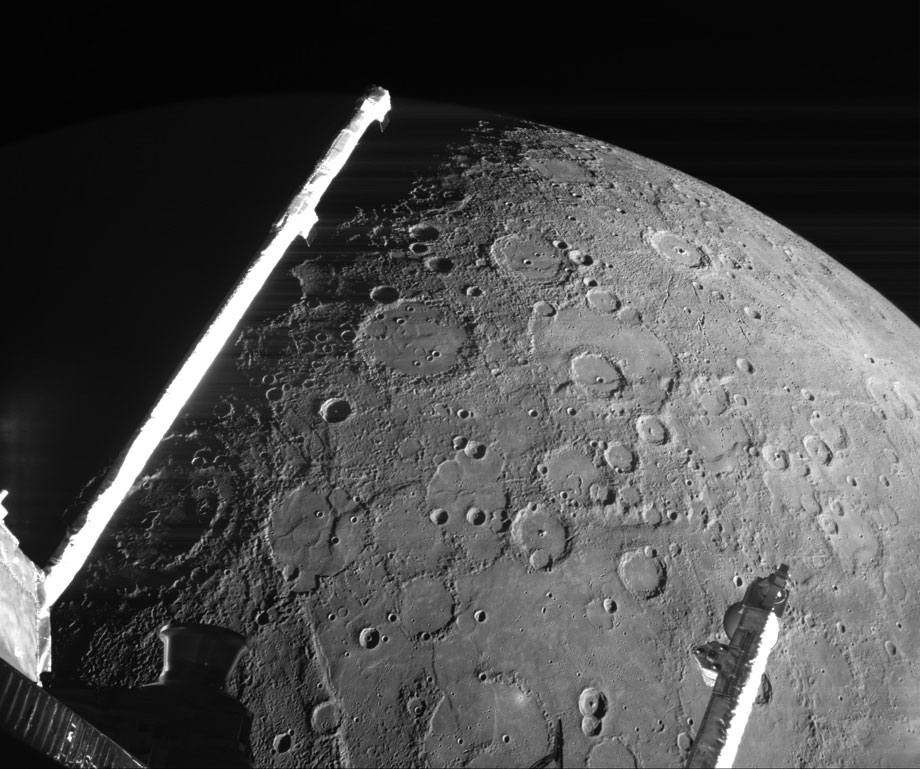
BepiColombo mission launches into Mercury orbit
NASA calls BepiColombo the second and, simultaneously, the most complex mission in history to enter Mercury’s orbit. Reaching Mercury is difficult for spacecraft, but that hasn’t stopped scientists from trying, in order to learn more about the history of the Solar System.
According to the plan, this mission, launched back in 2018, will arrive at Mercury in November 2026. After a series of maneuvers, two spacecraft, MPO and Mio, will be inserted into orbit. Scientific research will begin in 2027 to answer many challenging questions: why does Mercury have a magnetic field, and how, for example, did the planet’s unusual surface depressions form?
Source: esa.int
Launches of Meteosat Third Generation, MetOp-SG B1, and Copernicus Sentinel-3 satellites
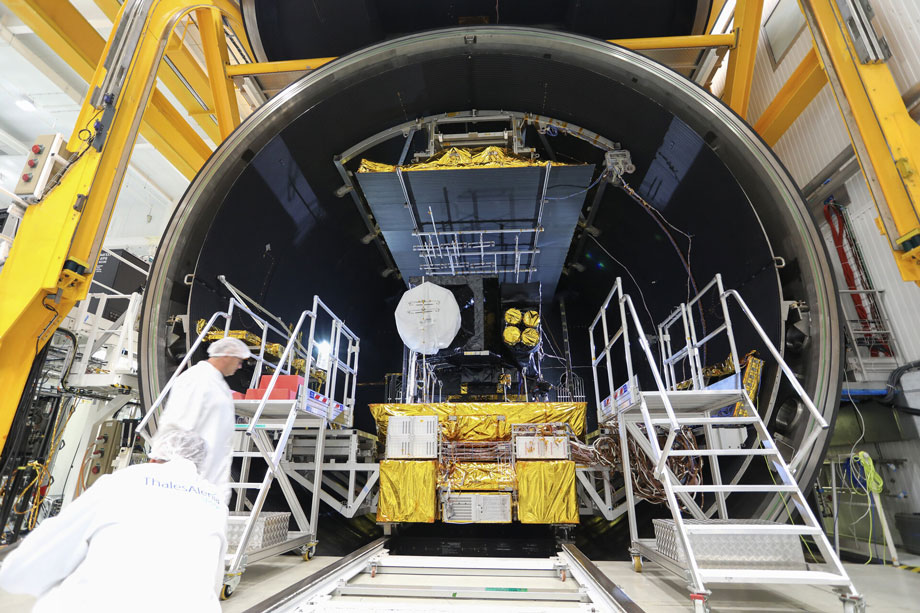
The Meteosat Third Generation system for weather monitoring from geostationary orbit will consist of two types of satellites: four MTG-Imager systems and two MTG-Sounder satellites. One of each type was already launched, in 2022 and 2025, respectively. In 2026, the launch of the second MTG-Imager is expected on an Ariane 6 rocket from the European spaceport in French Guiana. The third satellite in the Meteosat Third Generation system will complete the creation of the first satellite family, providing invaluable meteorological data over the next decade. Thanks to their Lightning Imager instruments, the satellites open new possibilities for European meteorological monitoring, continuously observing over 80% of the visible surface of the Earth.
In the fall of 2025, it was reported that MTG-Imager 2 had successfully passed thermal vacuum testing, and two of its instruments had been successfully installed on the satellite platform. This was the result of joint work between ESA and Eumetsat, which is responsible for designing ground systems and operating the satellites.
Source: esa.int
In addition, in the second half of the year, the launch of the third satellite in the Copernicus Sentinel-3 system is scheduled. Together with the two previously launched satellites in this constellation, it will measure land and ocean parameters, glaciers, and the Earth’s atmosphere for weather monitoring and forecasting.
Another satellite dedicated to weather monitoring is also scheduled for launch in 2026: MetOp-SG B1. Like its predecessor, which was delivered to orbit by an Ariane 6 rocket, it will provide highly accurate measurements of temperature, precipitation, wind strength, and cloud cover.
Launch of the PLATO mission
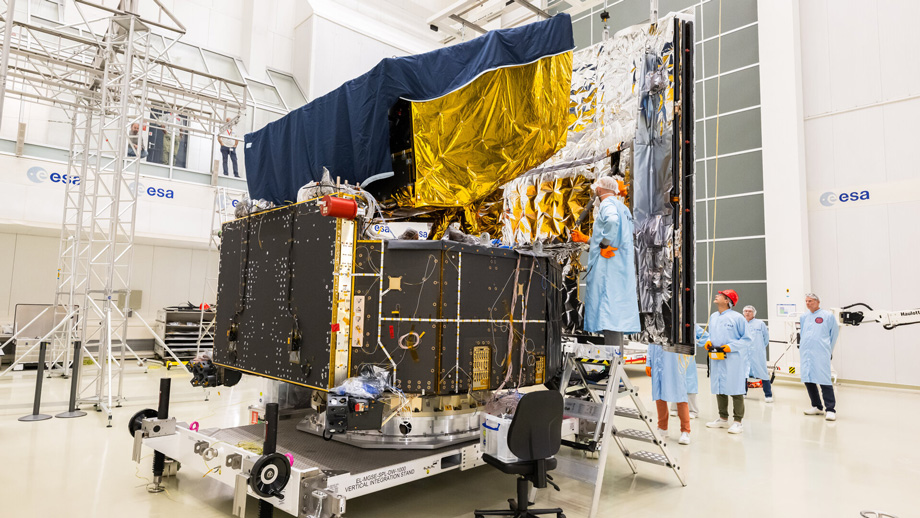
The ESA PLAnetary Transits and Oscillations of stars (Plato) mission, scheduled for the fourth quarter, will focus on detailed studies of Earth-like exoplanets orbiting as far as the habitable zones of their stars. Equipped with 26 cameras, the mission will allow scientists to determine the sizes and other characteristics of numerous exoplanets in our universe and identify which ones may potentially show signs of life. The launch will take place on an Ariane 6 rocket from the French Guiana spaceport, after which the spacecraft will be placed into a halo orbit around the Lagrange point.
Source: esa.int
The European space sector thus enters 2026 with an impressive lineup of major missions. Testing and operations of Ariane 6 will continue, and programs for space commercialization and support of the European rocket industry will advance. These projects demonstrate that Europe is not only catching up with global leaders in key areas but is also building its own long-term strategy for space presence: sustainable, reusable, and focused on science, safety, and economic growth.